
Introducción
La transformación digital en el retail ya no es opcional: es imprescindible. Tanto si gestionas 5 tiendas como 500 locales, el software de señalización digital para cadenas de retail te ayuda a controlar el contenido, mejorar la conexión con el cliente y mantener una imagen de marca coherente en todas tus ubicaciones.
Esta guía detallada ayudará a quien empieza a entender el software de señalización multitienda, a conocer las mejores plataformas de CMS para retail y a ver cómo soluciones como Wilyer pueden transformar la operación de una cadena.
¿Qué es el software de señalización digital para cadenas de retail?
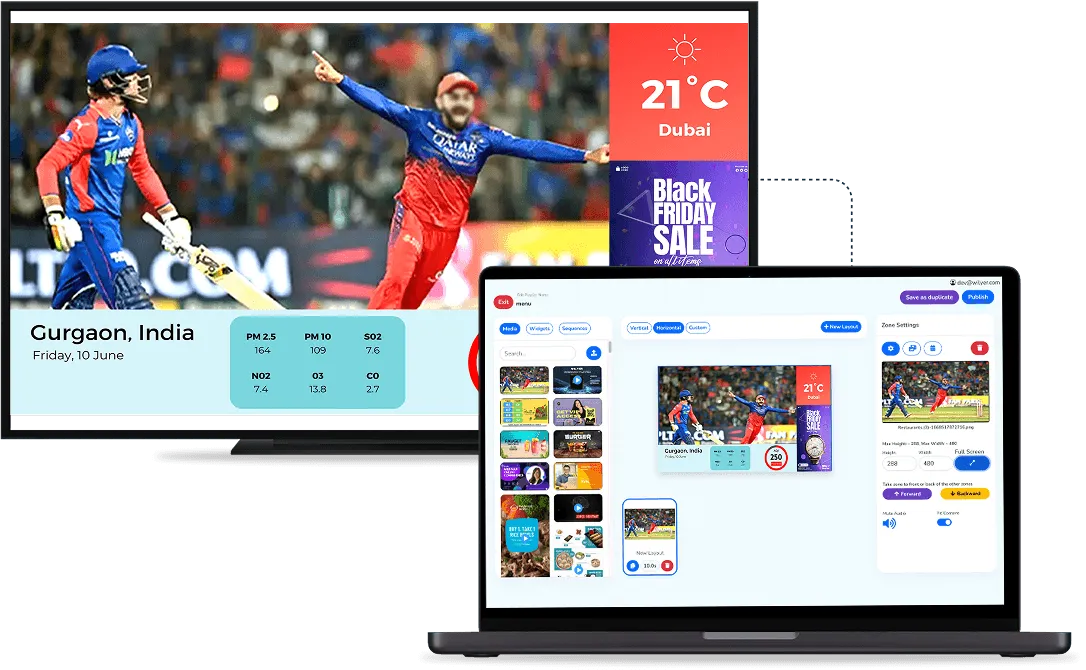
El software de señalización digital es un sistema centralizado que permite a un comercio crear y distribuir contenido - videos, promociones, cartas y comunicados - entre múltiples pantallas y ubicaciones.
Permite a las marcas actualizar el contenido de forma automática y en tiempo real, sin intervención manual, y garantiza un mensaje coherente en todas las tiendas.
¿Por qué una cadena de retail necesita software multitienda?
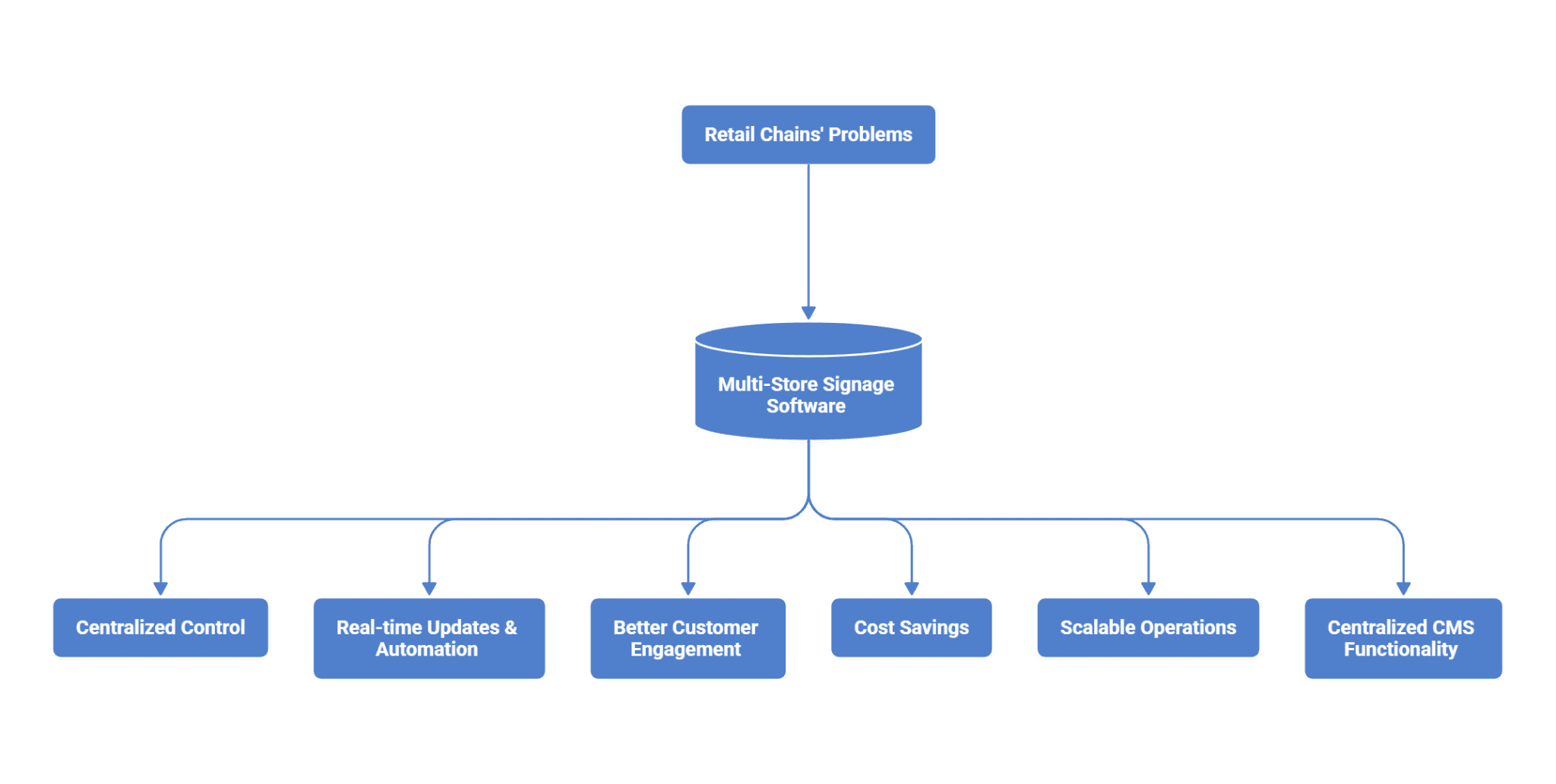
Las cadenas de retail tienen sus propios problemas: gestionar numerosas tiendas, mantener la coherencia de marca y lanzar campañas específicas por región.
Principales ventajas:
- Control centralizado de todas las tiendas.
- Actualizaciones en tiempo real y automatización
- Mejor conexión con el cliente
- Ahorro de costos (sin necesidad de imprimir)
- Operaciones escalables
Un CMS centralizado se asegura de que el contenido se actualice automáticamente en todas las ubicaciones, lo que mejora la eficiencia y reduce la complejidad operativa.
Funciones imprescindibles de un software de señalización para retail
Gestión centralizada del contenido
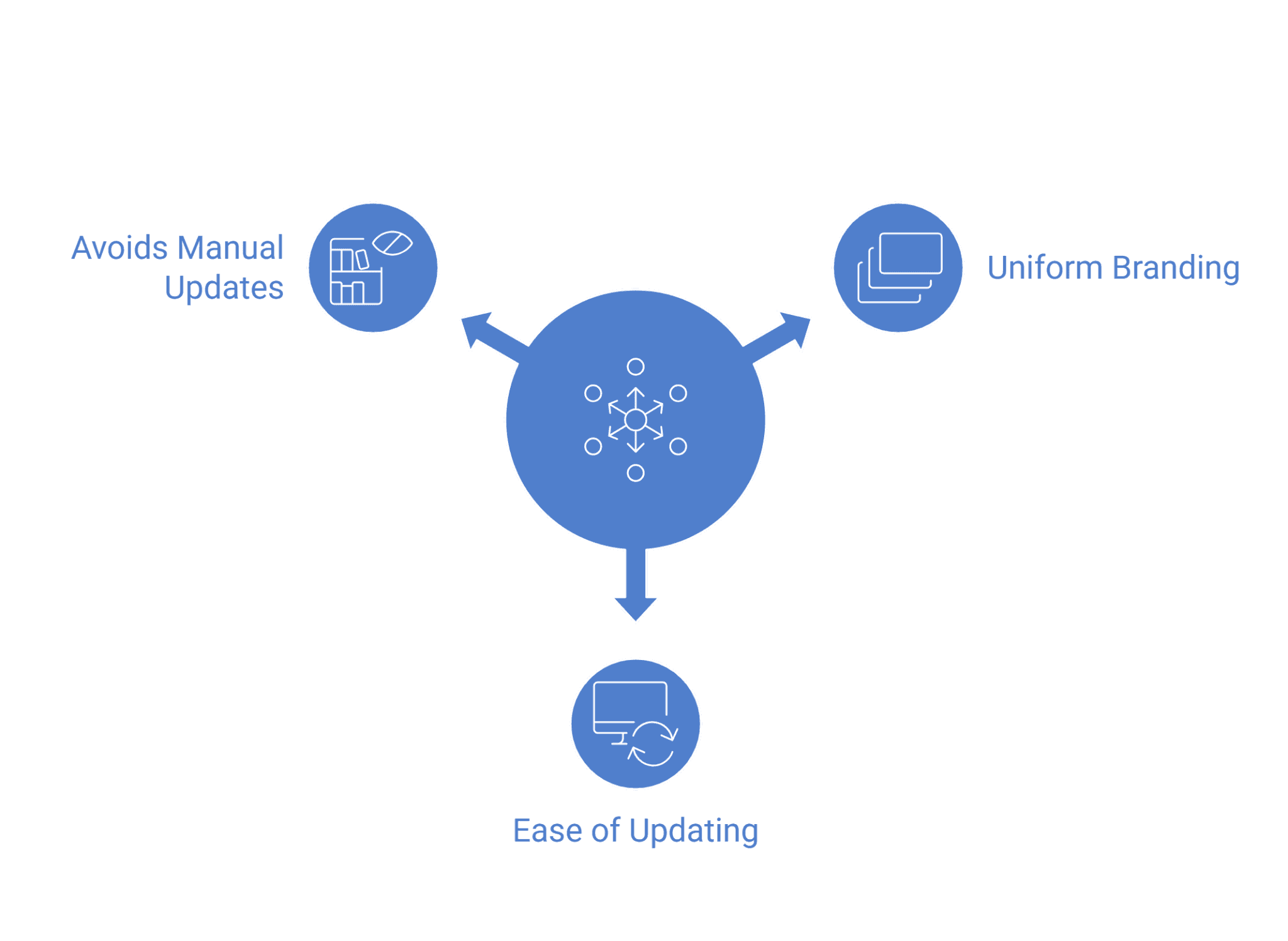
Con un CMS centralizado, el comercio puede gestionar el contenido de todas sus pantallas desde un único panel. Eso garantiza uniformidad de marca, facilita las actualizaciones y evita tener que modificar el contenido tienda por tienda.
Programación en la nube
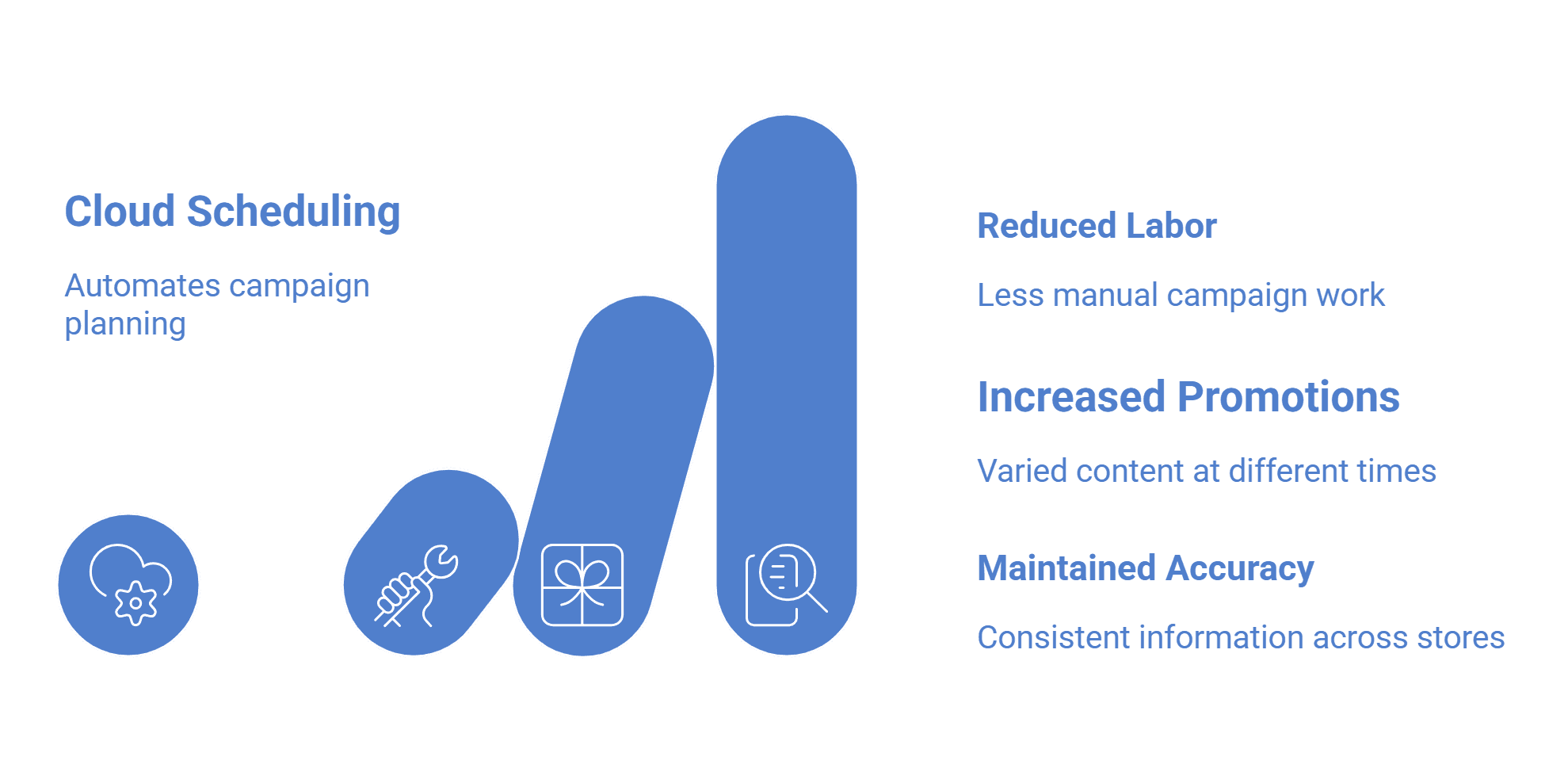
La programación en la nube ayuda a planificar y automatizar campañas. Al mostrar contenido distinto en momentos distintos, el comercio puede tener varias promociones en marcha, reducir el trabajo manual y mantener a la vez la exactitud de la información en todas sus tiendas.
Control multitienda y multiusuario
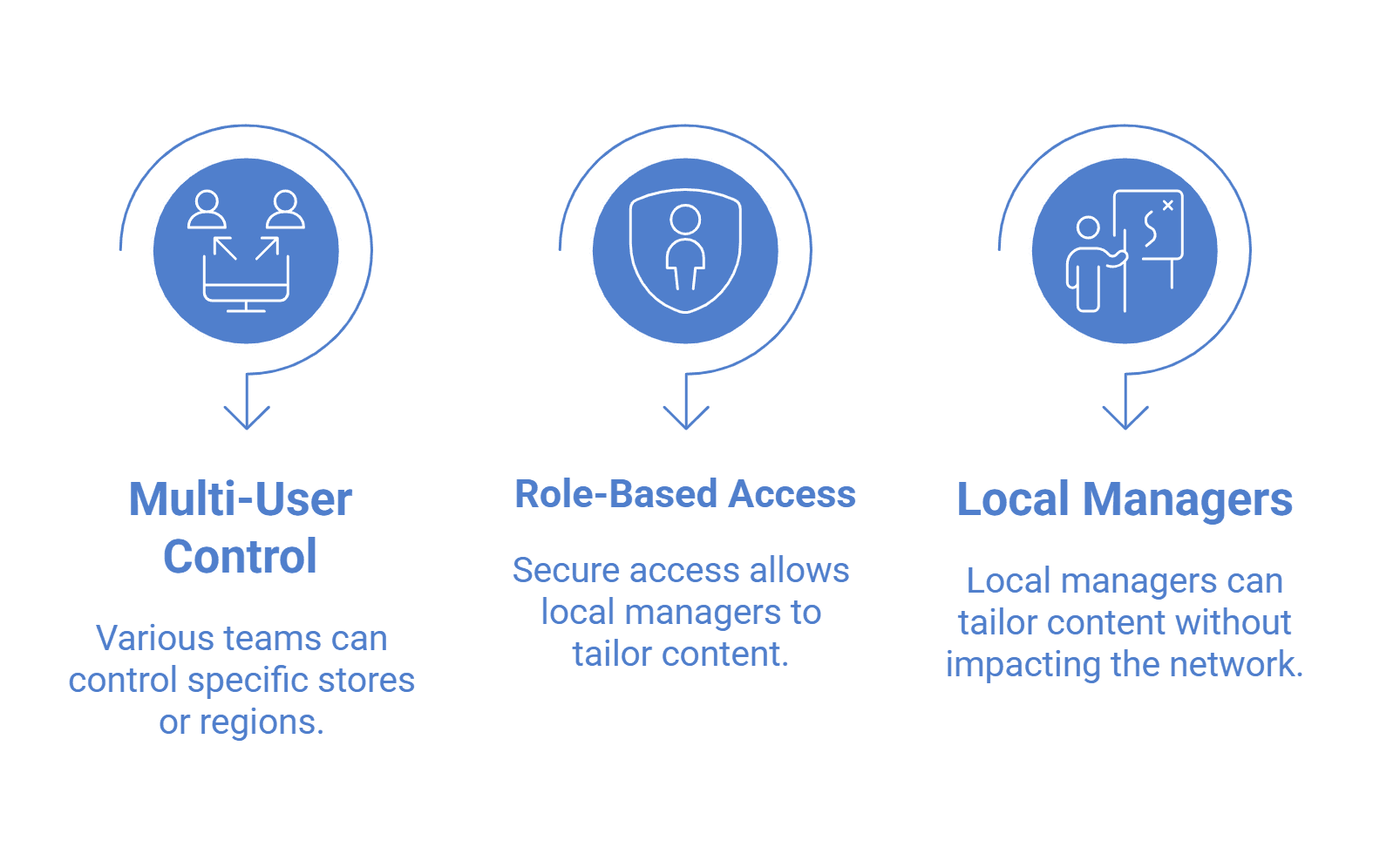
El control multiusuario permite que distintos equipos gestionen determinadas tiendas o regiones. El acceso por roles es seguro y, al mismo tiempo, deja a los responsables locales adaptar el contenido sin afectar a toda la red.
Actualizaciones y monitoreo en tiempo real
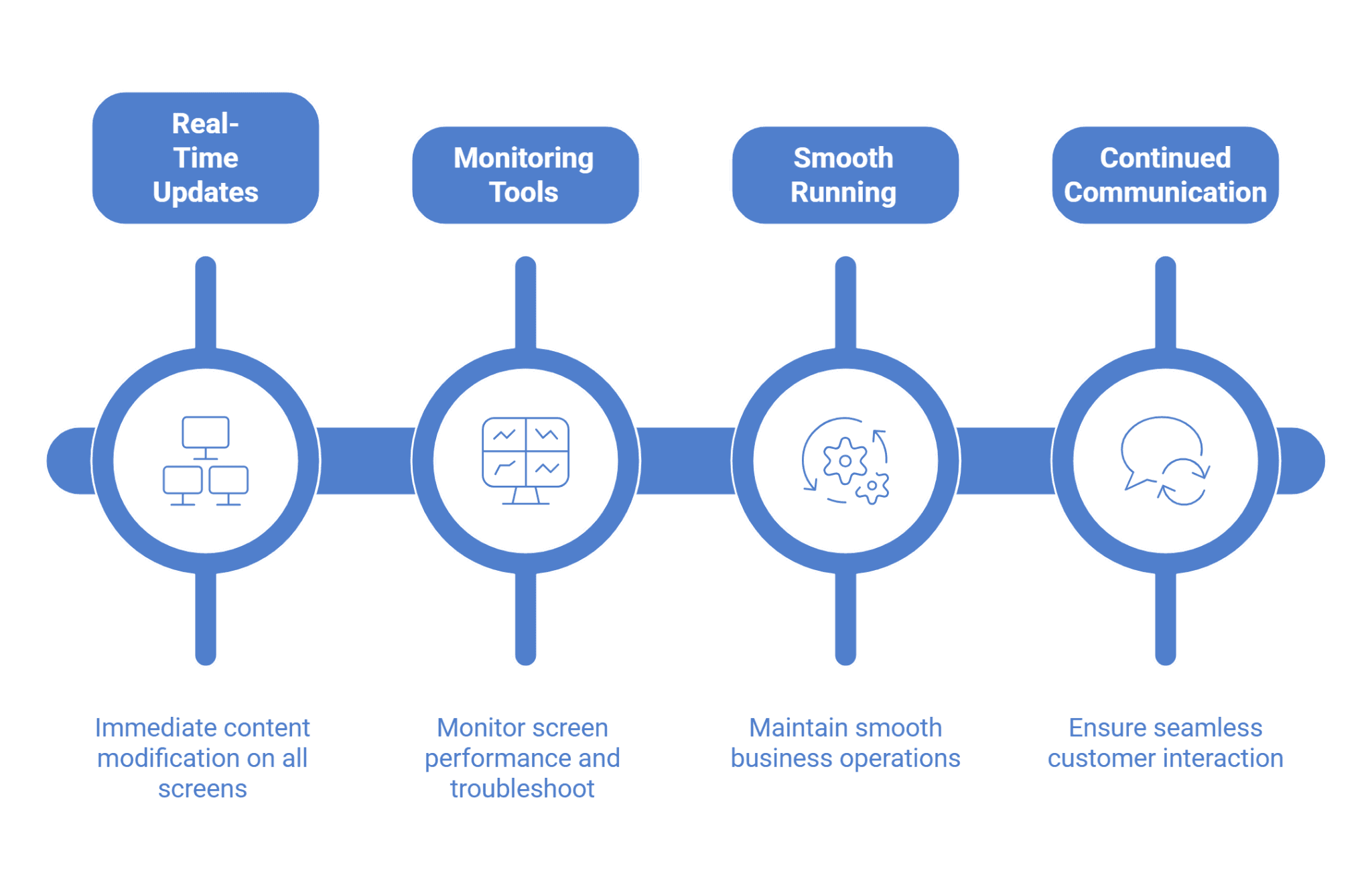
Las actualizaciones en tiempo real permiten modificar al instante el contenido de todas las pantallas. Las herramientas de monitoreo sirven para vigilar el rendimiento de cada pantalla y resolver incidencias con facilidad, de modo que la operación siga funcionando y la comunicación con el cliente no se interrumpa.
Contenido dinámico e integraciones
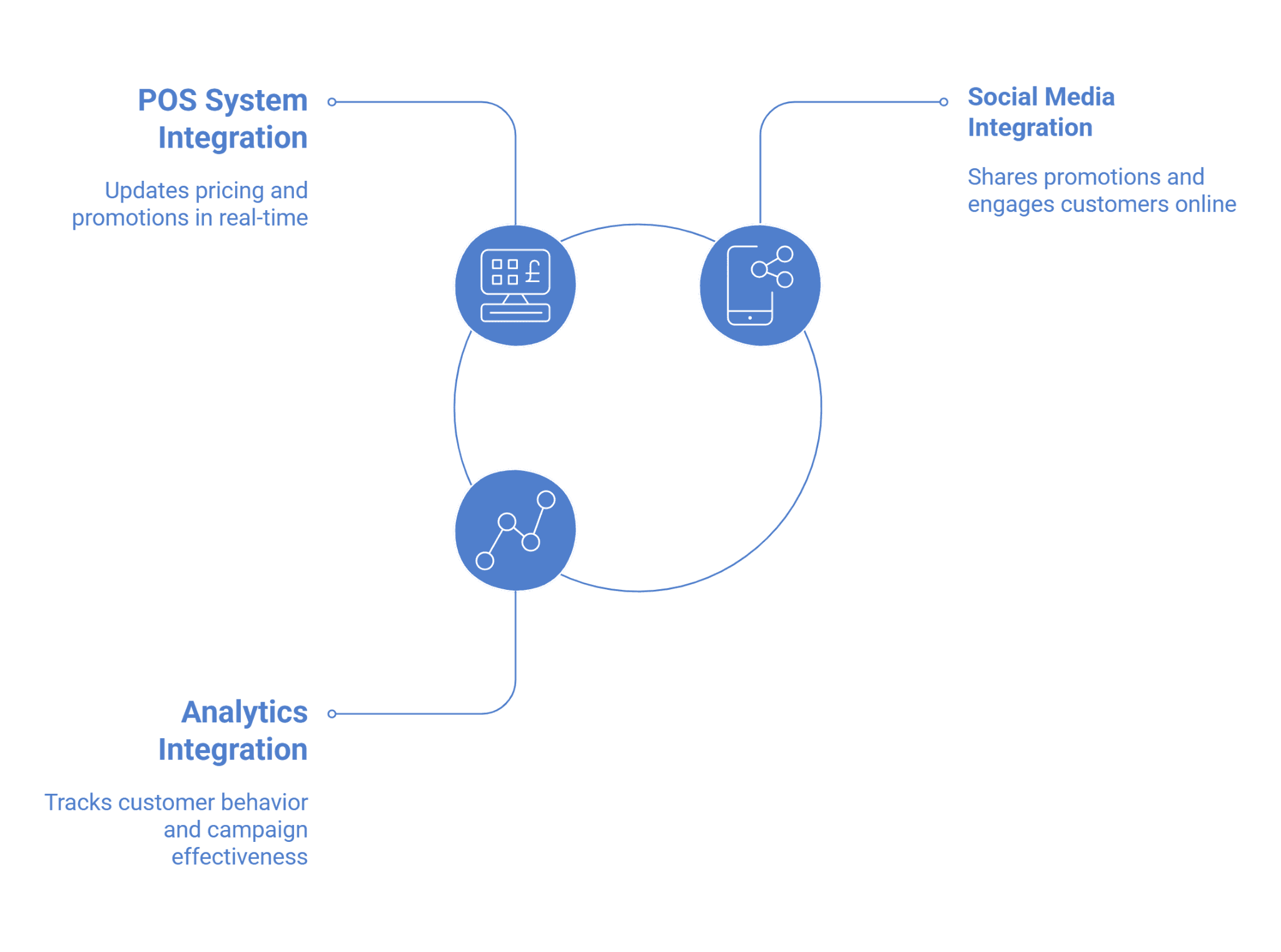
La señalización moderna se conecta con los sistemas de TPV, las redes sociales y las herramientas de analítica. Eso permite actualizaciones dinámicas - precios, promociones y campañas basadas en datos del cliente - para conectar mejor con el público.
Mejor software de señalización digital para cadenas de retail
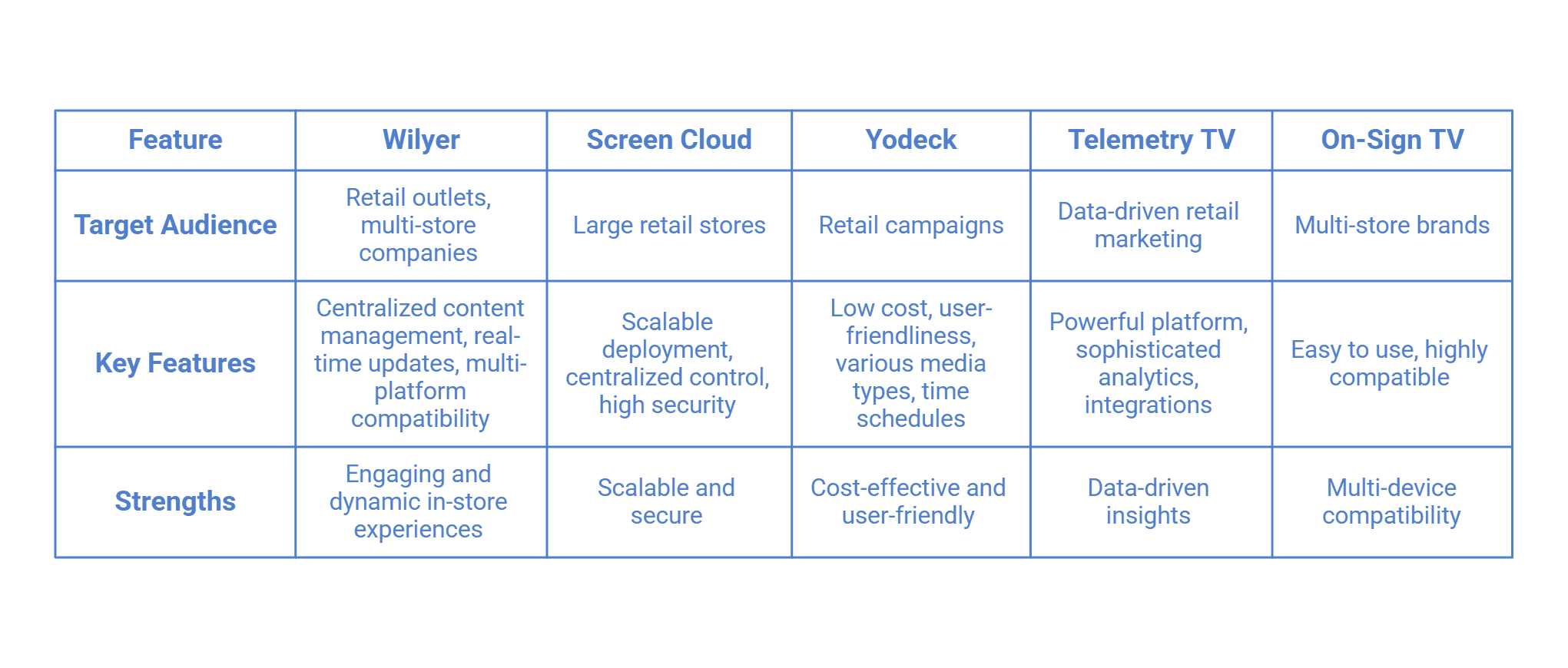
Estas son algunas de las mejores plataformas de CMS para retail, utilizadas en todo el mundo:
Wilyer
Un servicio de señalización digital en línea y actual, dirigido a puntos de venta y a marcas con varias tiendas. La plataforma ofrece gestión centralizada del contenido, actualizaciones en tiempo real y compatibilidad con múltiples sistemas, lo que facilita gestionar pantallas entre ubicaciones y crear experiencias en tienda dinámicas y atractivas.
Screen Cloud
Plataforma de señalización digital completa, adecuada para grandes superficies. Ofrece despliegue escalable, control centralizado y un alto nivel de seguridad para supervisar grandes redes de pantallas.
Yodeck
Sistema de señalización en línea caracterizado por su bajo costo y su facilidad de uso. Admite distintos tipos de material y la programación horaria de campañas de retail.
Telemetry TV
Con una plataforma potente, analítica avanzada e integraciones, resulta ideal para estrategias de marketing de retail basadas en datos.
On-Sign TV
Plataforma fácil de usar y muy compatible con distintos dispositivos y sistemas operativos, lo que la hace especialmente adecuada para marcas con varias tiendas.
Cómo funciona un software de pantallas para cadenas de retail
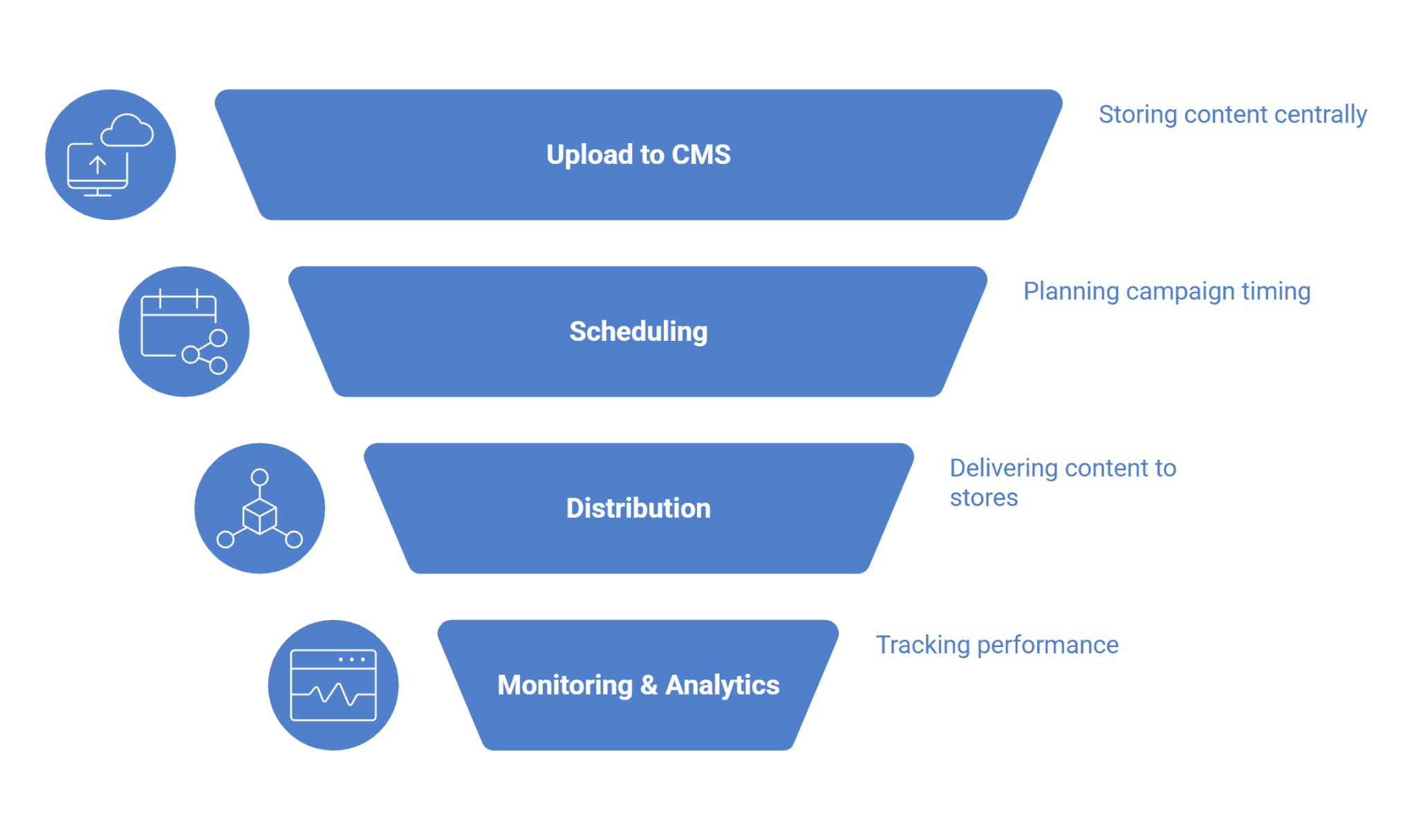
Un sistema de señalización digital suele seguir este flujo de trabajo:
Creación del contenido
El material promocional - videos, banners y anuncios de producto - se crea con plantillas o herramientas de diseño.
Subida al CMS
El contenido se publica en un CMS centralizado, donde puede gestionarse y organizarse de forma eficiente.
Programación
Las campañas se planifican según el horario, la ubicación o las preferencias del público.
Distribución
Las redes en la nube entregan el contenido a las pantallas de todas las tiendas.
Monitoreo y analítica
Con datos en tiempo real, los administradores siguen el rendimiento y optimizan las campañas.
Casos de uso de la señalización digital en cadenas de retail
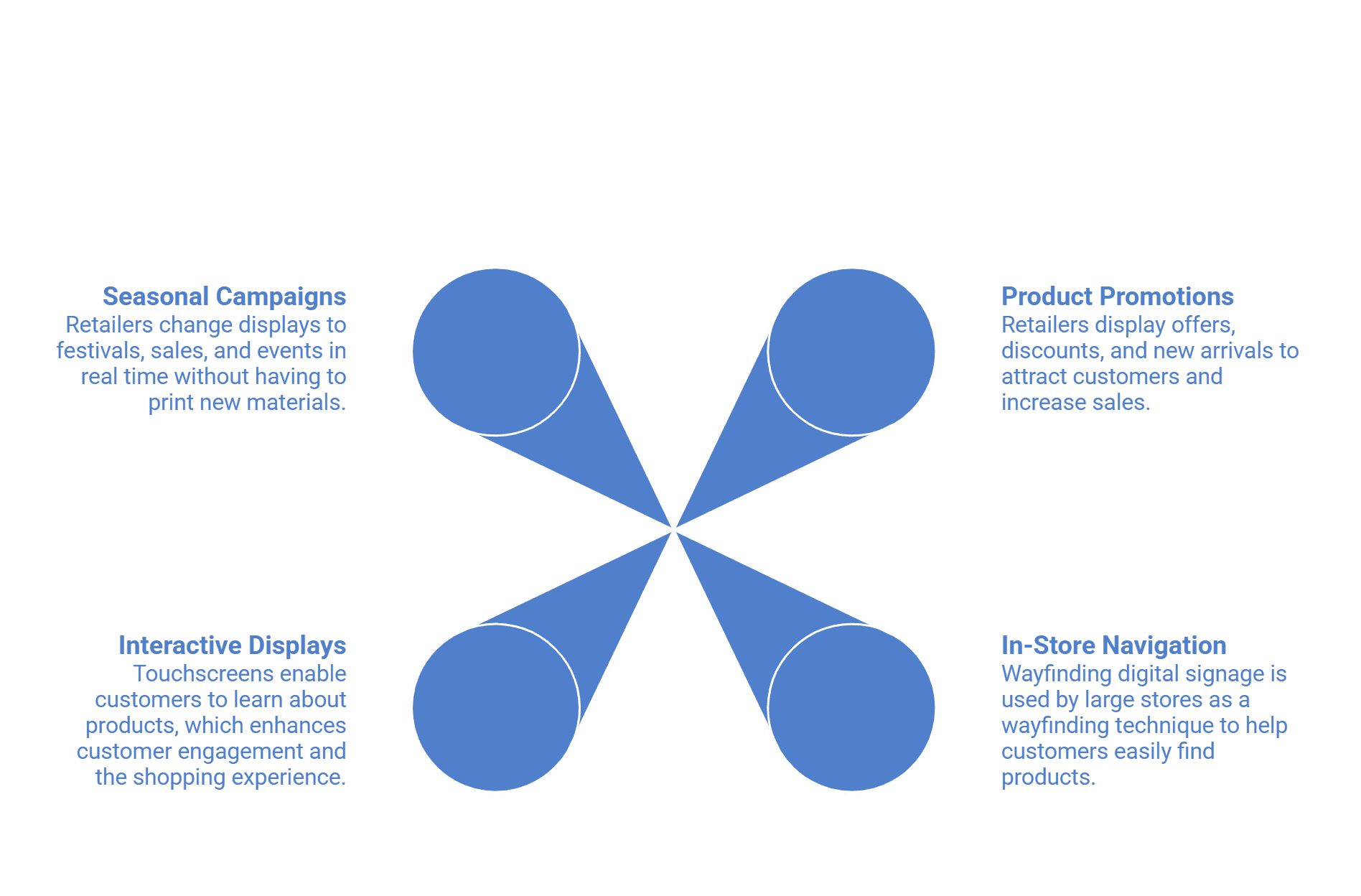
Promoción de productos
El comercio muestra ofertas, descuentos y novedades para atraer clientes y aumentar las ventas.
Orientación dentro de la tienda
Las grandes superficies usan la señalización digital como sistema de orientación para que el cliente encuentre los productos con facilidad.
Pantallas interactivas
Las pantallas táctiles permiten al cliente informarse sobre los productos, lo que mejora su implicación y su experiencia de compra.
Campañas de temporada
El comercio adapta sus pantallas a festividades, rebajas y eventos en tiempo real, sin tener que imprimir material nuevo.
Te presentamos Wilyer: señalización digital inteligente para retail
Wilyer es una solución de señalización digital nueva y avanzada, creada para adaptarse a cadenas de retail y a marcas con varias tiendas.
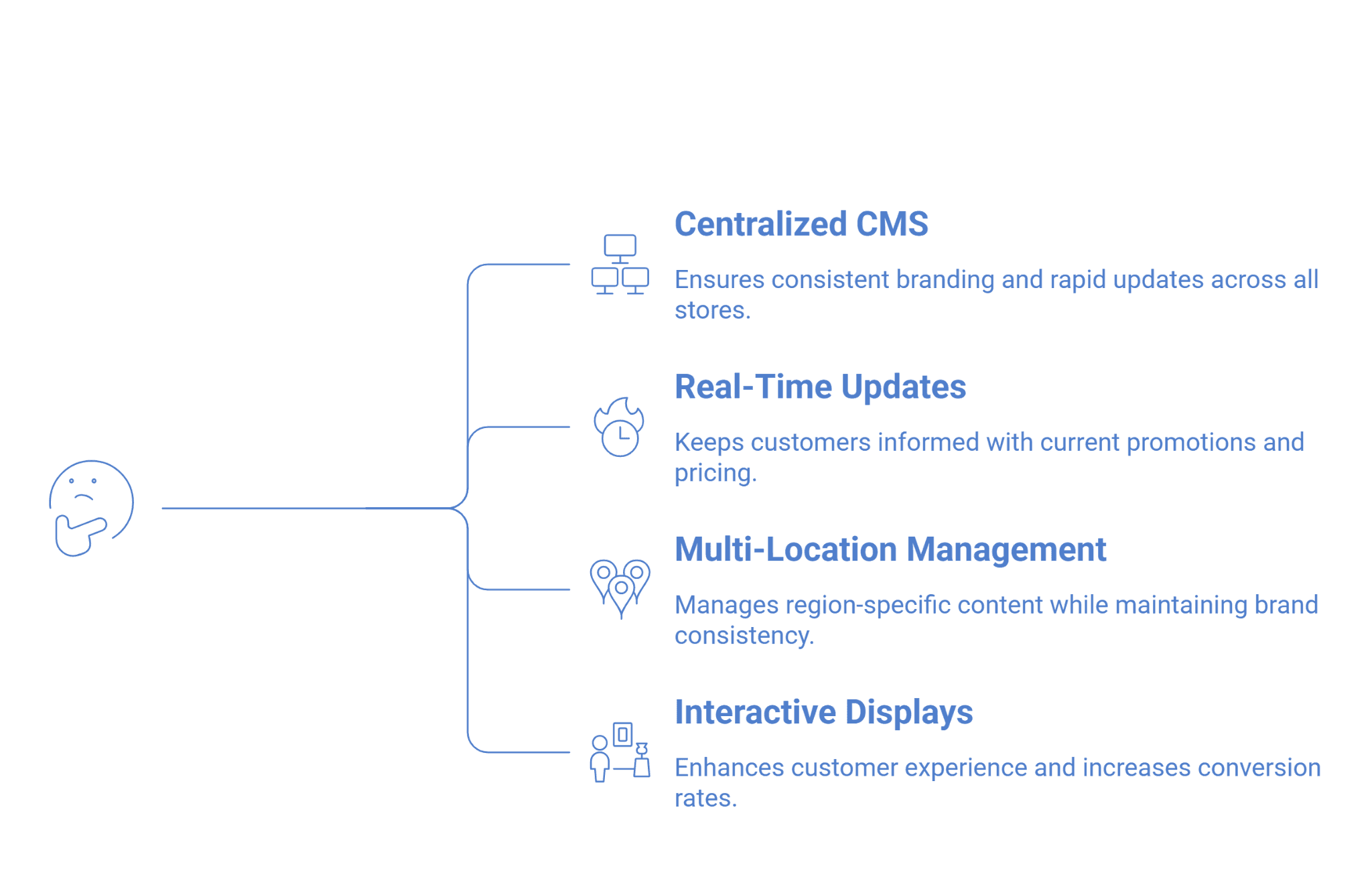
Control centralizado desde el CMS
Wilyer ofrece un potente CMS centralizado que permite al comercio controlar el contenido de todas sus tiendas desde una sola plataforma, lo que garantiza una imagen de marca homogénea, actualizaciones rápidas y un trabajo coordinado entre los equipos de marketing y de operaciones.
Actualizaciones de contenido en tiempo real
Promociones, precios y comunicados pueden actualizarse al instante en todas las pantallas. Así el cliente accede siempre a información vigente, lo que ayuda a la marca a seguir siendo relevante, competitiva y capaz de reaccionar a los cambios del mercado.
Gestión multiubicación
Wilyer facilita la gestión de varias tiendas, ya que permite manejar contenido específico por región manteniendo la coherencia global de la marca. Permite escalar la operación, lo que la hace perfecta para cadenas en expansión y para franquicias.
Soporte de pantallas interactivas
La plataforma admite pantallas táctiles y quioscos interactivos, lo que permite al cliente explorar, consultar ofertas e interactuar directamente con la marca, con la consiguiente mejora de la experiencia y de las tasas de conversión en tienda.
Cómo elegir el mejor CMS para retail
Elegir el software de pantallas adecuado para tu cadena depende de las necesidades de tu negocio.
Ten en cuenta estos factores:
- Facilidad de uso e interfaz.
- Escalabilidad para varias tiendas.
- Capacidad de integración
- Monitoreo y analítica en vivo
- Permisos de usuario y seguridad
Las mejores plataformas son las que aportan gestión centralizada, automatización y escalabilidad a las empresas con varias ubicaciones.
Tendencias de futuro en la señalización digital para retail
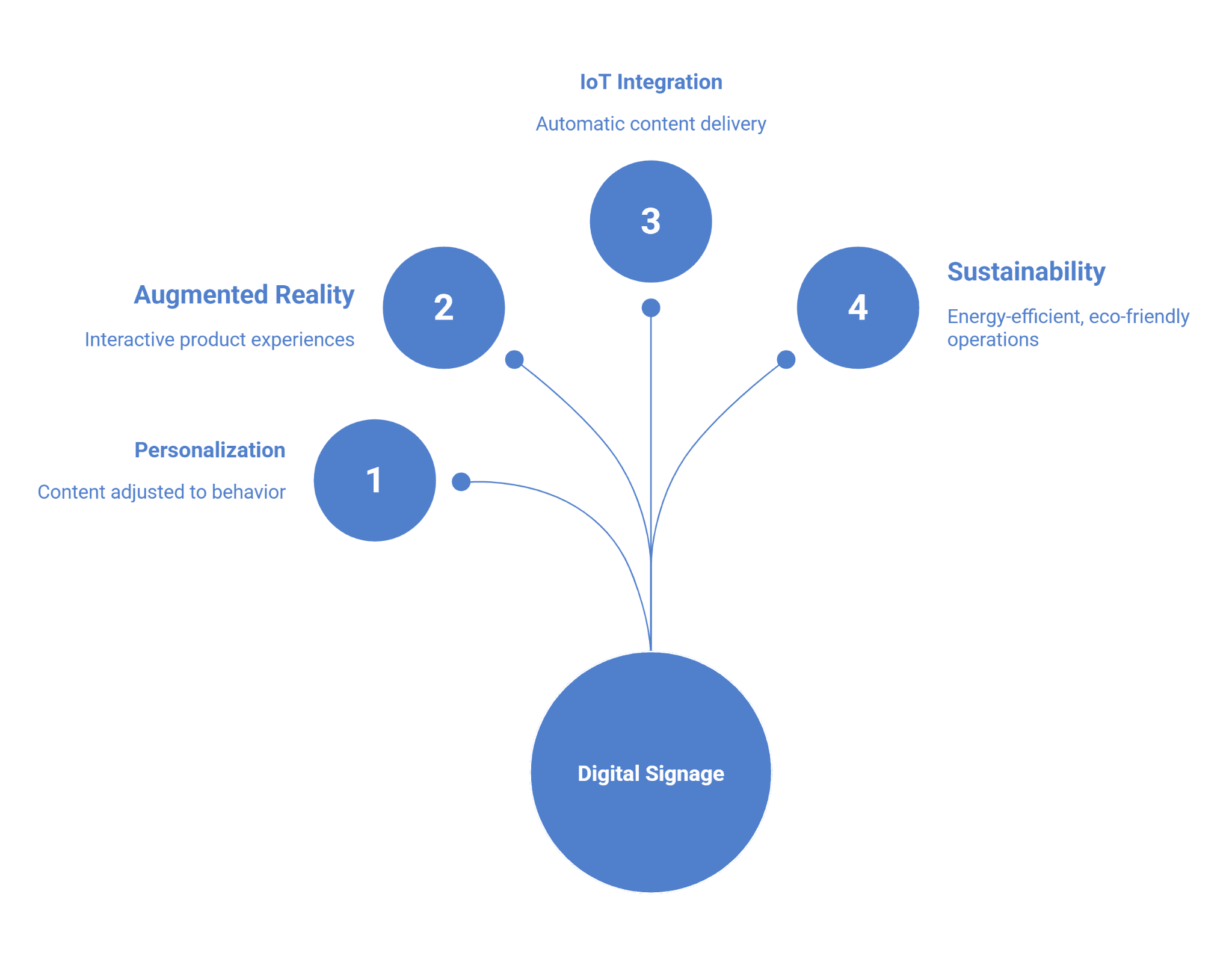
Personalización con IA
La pantalla se ajustará al comportamiento y las preferencias del cliente para decidir qué contenido mostrar.
Realidad aumentada
Las pantallas con AR permitirán al cliente interactuar con los productos.
Integración con IoT
La señalización inteligente se conectará con sensores que facilitarán la entrega automática de contenido.
Sostenibilidad
Las pantallas de bajo consumo y las operaciones respetuosas con el medio ambiente se convertirán en la norma.
Conclusión
El software de señalización digital está transformando las cadenas de retail al permitir un control centralizado, actualizaciones en tiempo real y una experiencia de cliente interactiva.
Tanto si eliges plataformas como ScreenCloud como soluciones avanzadas del tipo de Wilyer, el software multitienda adecuado puede ayudarte a escalar tu operación, mejorar tu imagen de marca y aumentar tus ventas.