

Introducción
Un aeropuerto moderno no es solo un nudo de viaje: es un ecosistema complejo que mueve millones de pasajeros al día. Con semejante volumen de gente, la comunicación se vuelve crítica. Una de las herramientas más importantes en las que se apoya un aeropuerto es la señalización digital, sobre todo para todo lo relacionado con los vuelos.
Desde los paneles de vuelos hasta las pantallas de llegadas y salidas, la señalización digital garantiza que el pasajero reciba información exacta, en tiempo real y fácil de entender. En el corazón de este sistema está el FIDS (sistema de información de vuelos), que hace posible la comunicación en todo el aeropuerto.
En este artículo veremos cómo se usa la señalización digital en un aeropuerto para la información de vuelos, sus ventajas, sus componentes y cómo aprovechar tecnología como la de Wilyer para mejorar estos sistemas en los aeropuertos de hoy.
¿Qué es un sistema de información de vuelos (FIDS)?
Un sistema de información de vuelos (FIDS) es un sistema digital que recoge, procesa y muestra la información de los vuelos - salidas, llegadas, retrasos, cancelaciones, puertas y equipajes - en el aeropuerto.
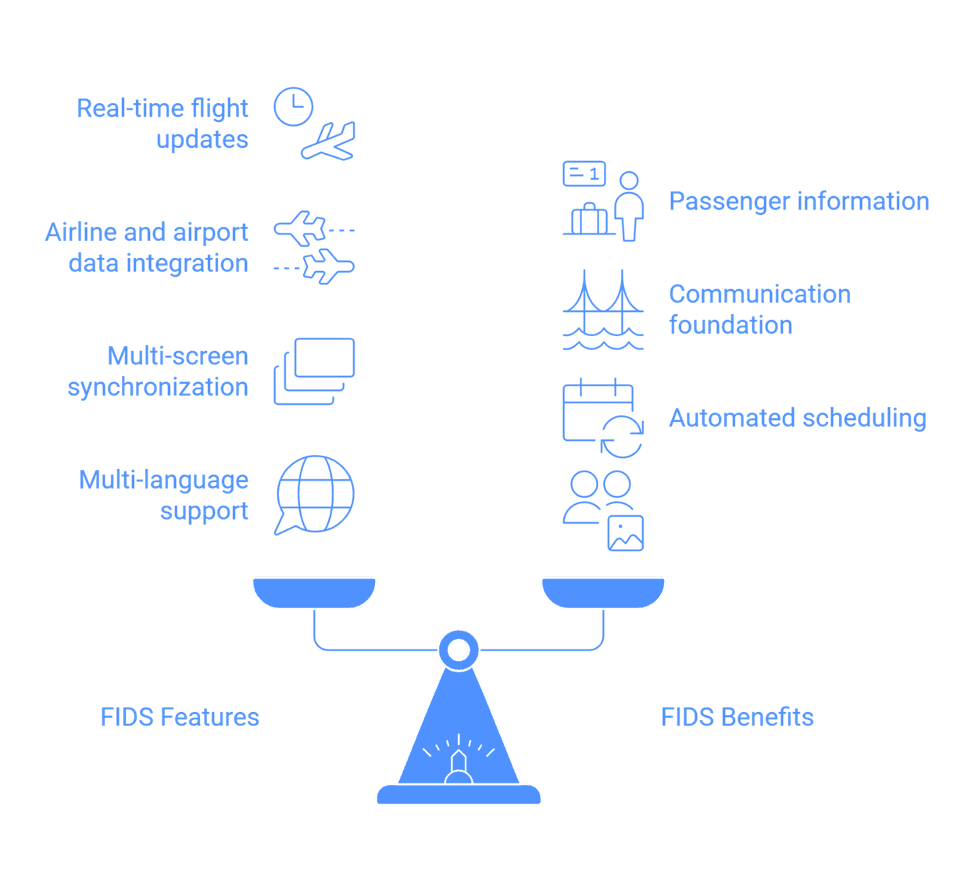
Funciones clave de un FIDS:
- Información de vuelos en tiempo real
- Integración con los datos de aerolíneas y aeropuerto
- Sincronización de varias pantallas
- Programación y actualización automáticas
- Soporte multiidioma
El FIDS es la base de la comunicación en un aeropuerto y da al pasajero la información que necesita.
Tipos de pantallas de señalización digital en un aeropuerto
En un aeropuerto se usan distintos tipos de señalización digital según la función.
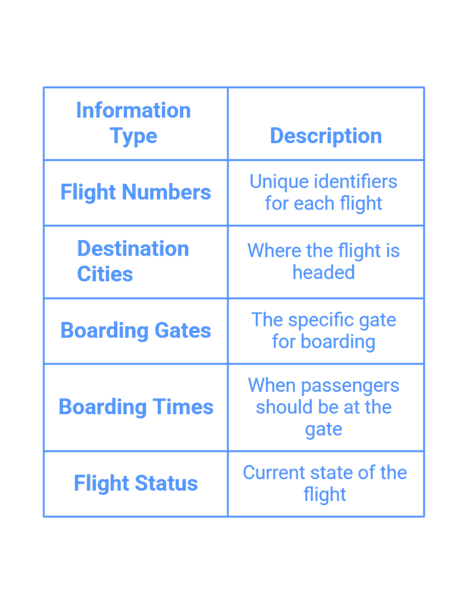
Panel de salidas
Estas pantallas muestran:
- Números de vuelo
- Ciudades de destino
- Puertas de embarque
- Horas de embarque
- Estado del vuelo
Pantalla de llegadas
Estos paneles ayudan a los pasajeros y a los familiares y amigos que van a recibirlos al aeropuerto
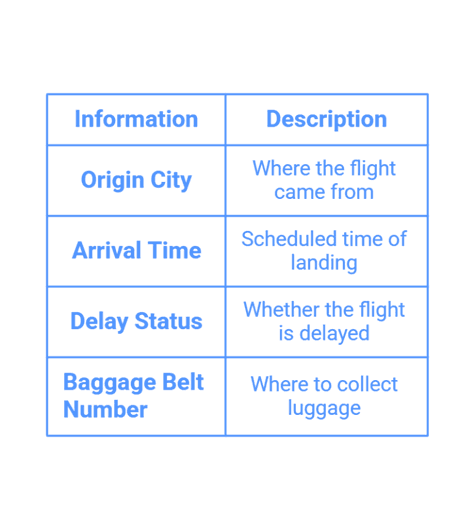
Estas pantallas muestran:
- Ciudad de origen
- Hora de llegada
- Estado del retraso
- Número de cinta de equipajes
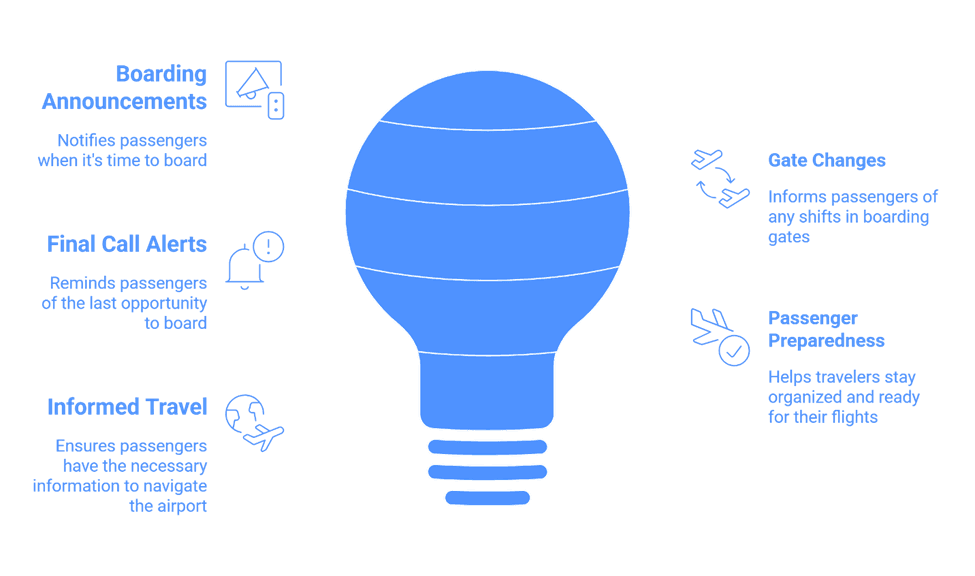
Pantallas de información de puerta
Situadas junto a las puertas de embarque, estas pantallas ofrecen:
- Avisos de embarque
- Cambios de puerta
- Avisos de última llamada
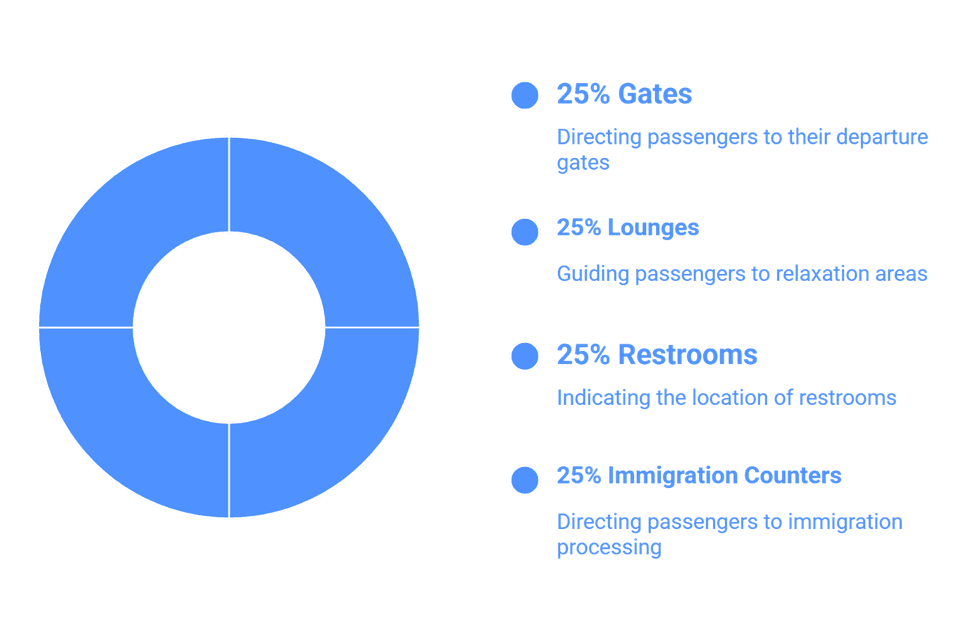
Señalización de orientación y direccional
Ayudan a moverse por la terminal hacia:
- Las puertas
- Las salas VIP
- Los aseos
- Los controles de inmigración
Pantallas de recogida de equipajes
Colocadas junto a las cintas, estas pantallas informan al pasajero de:
- La cinta asignada
- Los datos del vuelo
- El tiempo de espera
Cómo funciona un sistema FIDS
Un FIDS se basa en un software que combina distintas fuentes de datos en un único sistema de visualización.
Fuentes de datos:
- El sistema de reservas de las aerolíneas
- El control de tráfico aéreo
- Las bases de datos operativas del aeropuerto
- Los sistemas meteorológicos
Cómo funciona:
- Los datos se recogen en tiempo real
- Los procesa un software centralizado
- Se envían a las pantallas de todo el aeropuerto
- Se actualizan solos, sin intervención manual
Ventajas de la señalización digital en un aeropuerto
Información actualizada en tiempo real
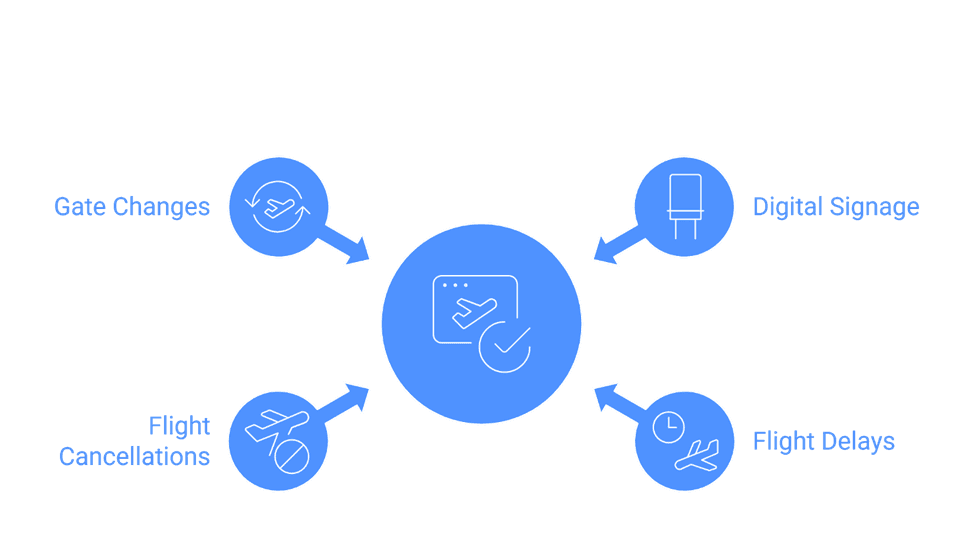
La señalización digital refleja en todas las pantallas los cambios de un vuelo, como retrasos, cancelaciones o cambios de puerta. Así el pasajero recibe siempre información exacta y al día sin depender de los avisos por megafonía, lo que reduce la confusión y le ayuda a reorganizarse rápido.
Mejor experiencia del pasajero
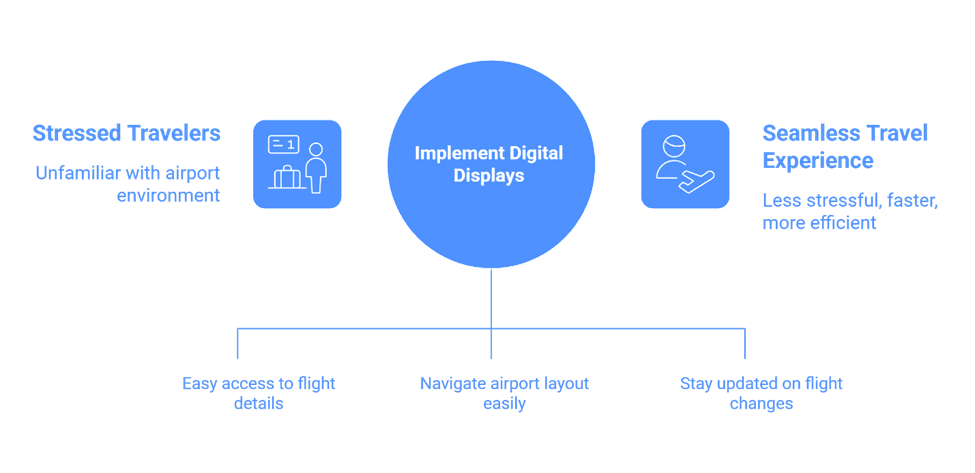
Unas pantallas bien organizadas dan acceso fácil a la información de vuelos, a los planos y a los avisos. Eso hace el viaje menos estresante, más rápido y más fluido, sobre todo para quien no conoce bien el aeropuerto ni sus procesos.
Eficiencia operativa
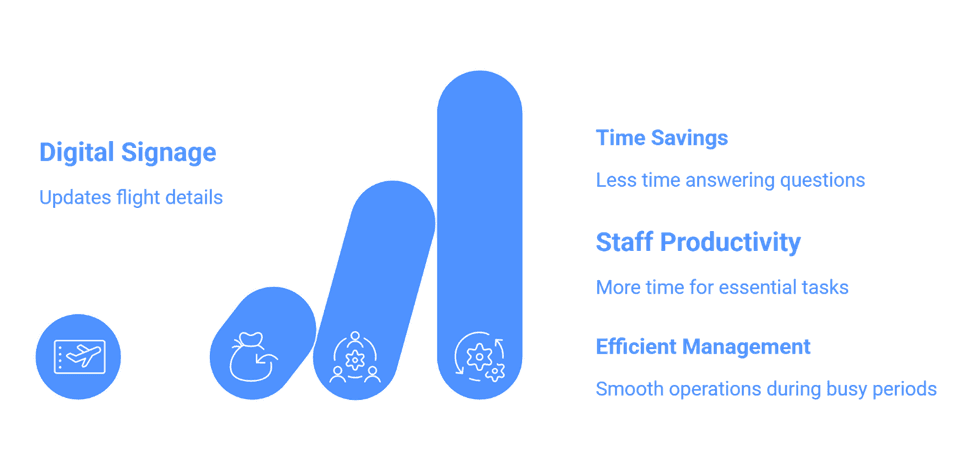
La señalización digital actualiza continuamente los datos de los vuelos, lo que ahorra tiempo en responder preguntas de los pasajeros. Eso libera al personal para otras tareas esenciales y mejora la productividad, lo que facilita gestionar el aeropuerto en las horas de más movimiento.
Menos errores humanos
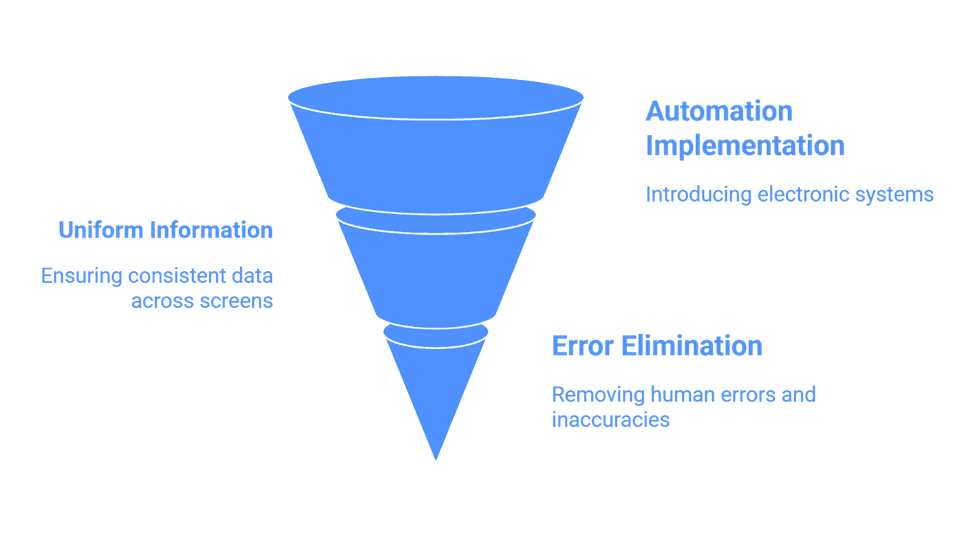
La automatización elimina el riesgo de error humano al introducir datos y dar avisos.
Los sistemas electrónicos ofrecen información uniforme y fiable en todas las pantallas, lo que evita el riesgo de datos incorrectos (como un número de puerta o un horario) que podrían provocar retrasos.
Comunicación multiidioma
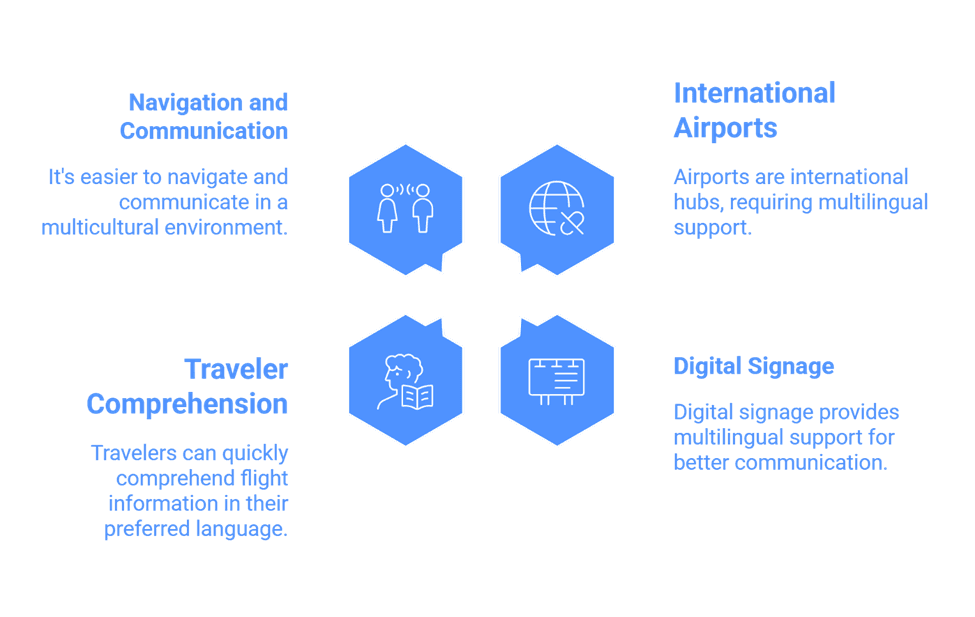
Un aeropuerto es internacional, y la señalización digital admite varios idiomas para comunicar mejor. El viajero entiende al momento la información de su vuelo en el idioma que prefiera, lo que facilita orientarse y comunicarse en un entorno multicultural y global.
Oportunidades publicitarias
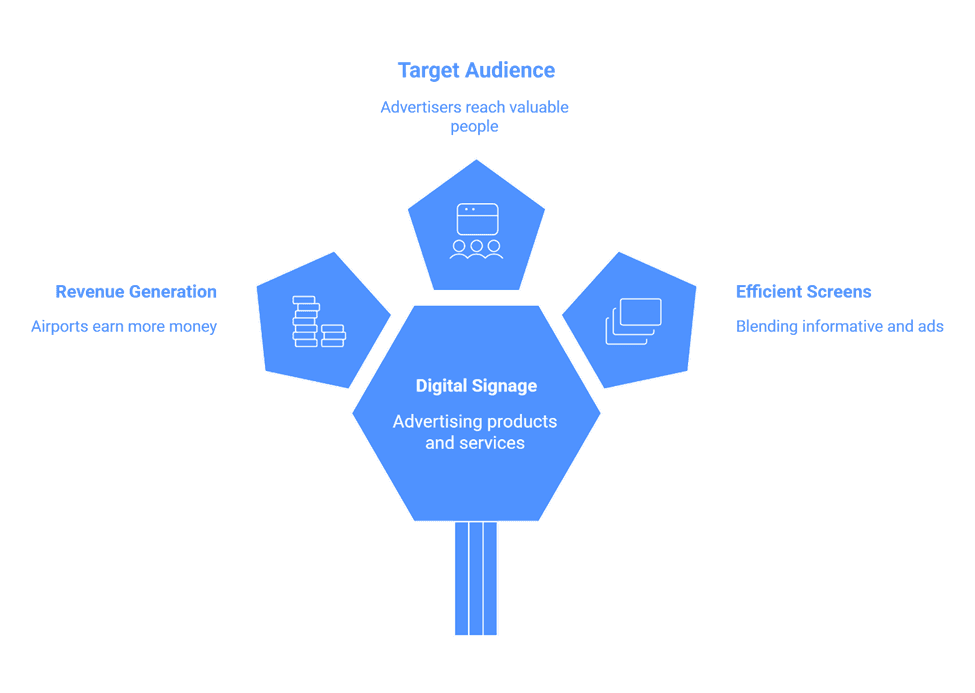
La señalización digital también permite al aeropuerto anunciar productos y servicios y generar ingresos. El anunciante llega a un público muy valioso y el aeropuerto aprovecha mejor sus pantallas, combinando con naturalidad el contenido informativo y el publicitario.
El papel de la tecnología inteligente en las pantallas de aeropuerto
IA y analítica predictiva
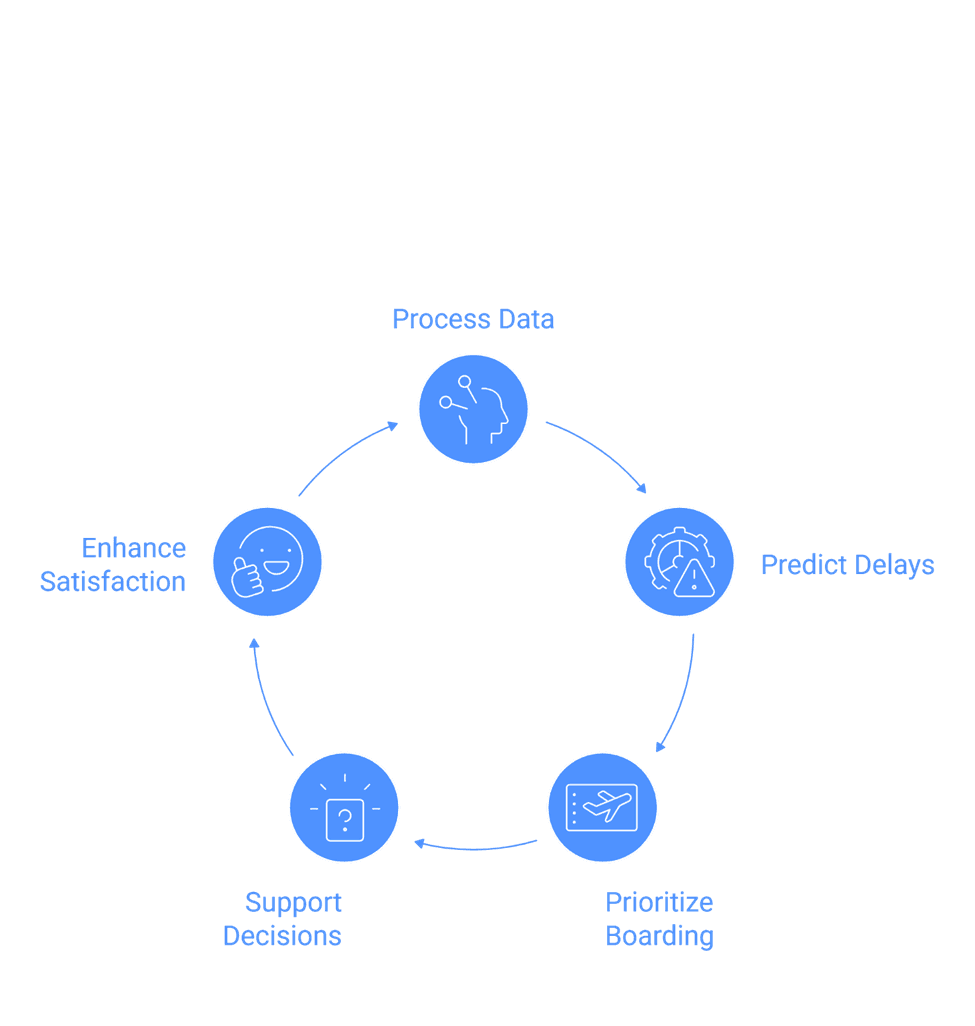
La IA y la analítica predictiva permiten al aeropuerto anticipar retrasos y mantener el flujo de pasajeros. Estas tecnologías procesan datos históricos y en tiempo real para prever retrasos, priorizar embarques y apoyar la toma de decisiones, lo que se traduce en una operación eficiente y en pasajeros más satisfechos.
Integración con el IoT
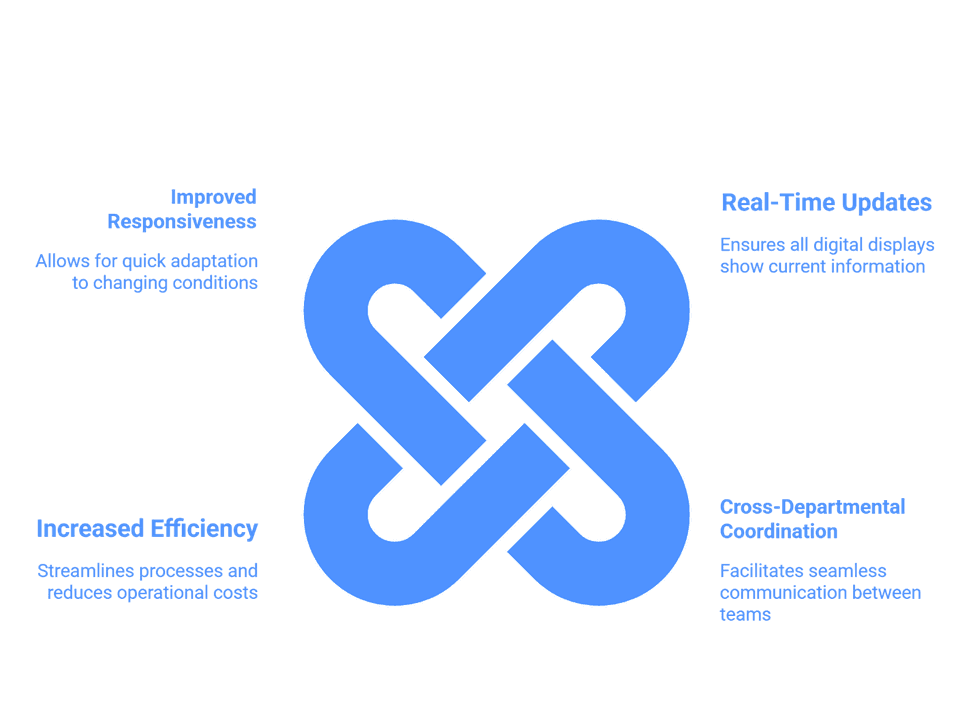
El IoT conecta distintos sistemas del aeropuerto - pantallas, sensores, herramientas de gestión - para compartir información en tiempo real. Permite actualizar todas las pantallas al momento, facilita la coordinación entre departamentos y mejora la eficiencia y la capacidad de respuesta del aeropuerto.
Sistemas en la nube
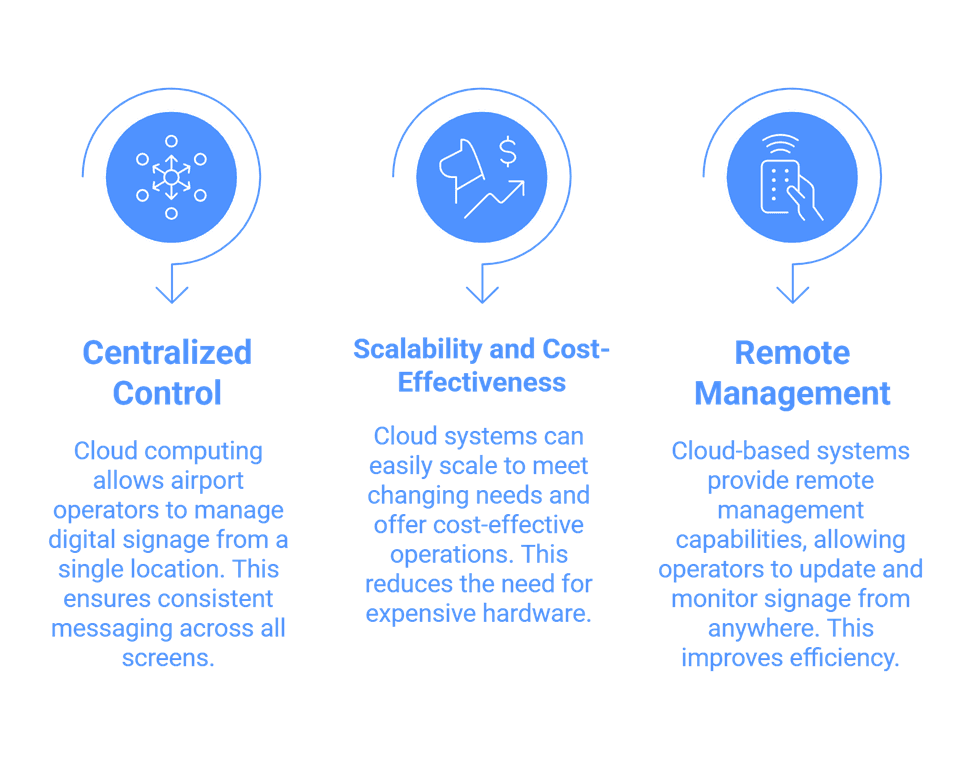
La computación en la nube permite al operador del aeropuerto controlar la señalización digital desde sistemas centralizados. Estos sistemas ofrecen despliegue y actualizaciones rápidos, capacidad de crecer y una operación rentable, con información coherente en varias ubicaciones y gestión en remoto.
Pantallas interactivas
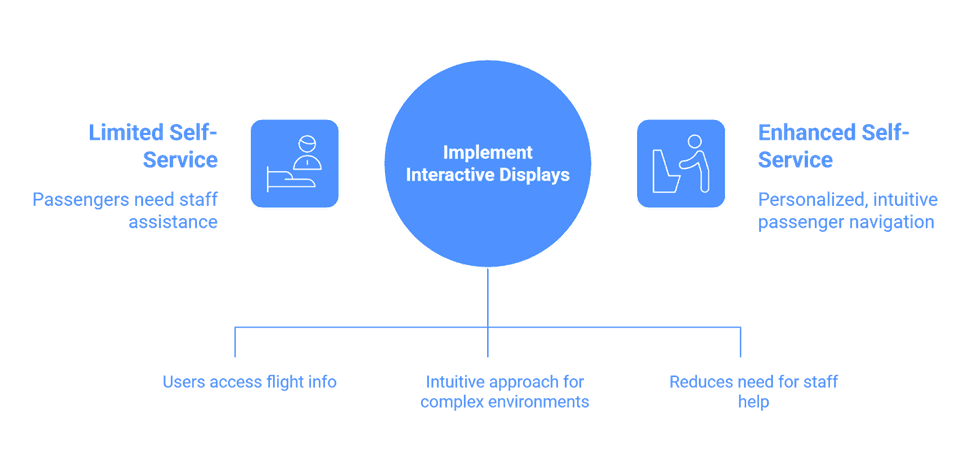
Las pantallas interactivas permiten consultar información de vuelos, planos y servicios desde una pantalla táctil. Eso amplía las opciones de autoservicio, reduce la intervención del personal y ofrece al pasajero una forma intuitiva y personalizada de moverse por un entorno complejo.
Retos de la señalización digital en un aeropuerto
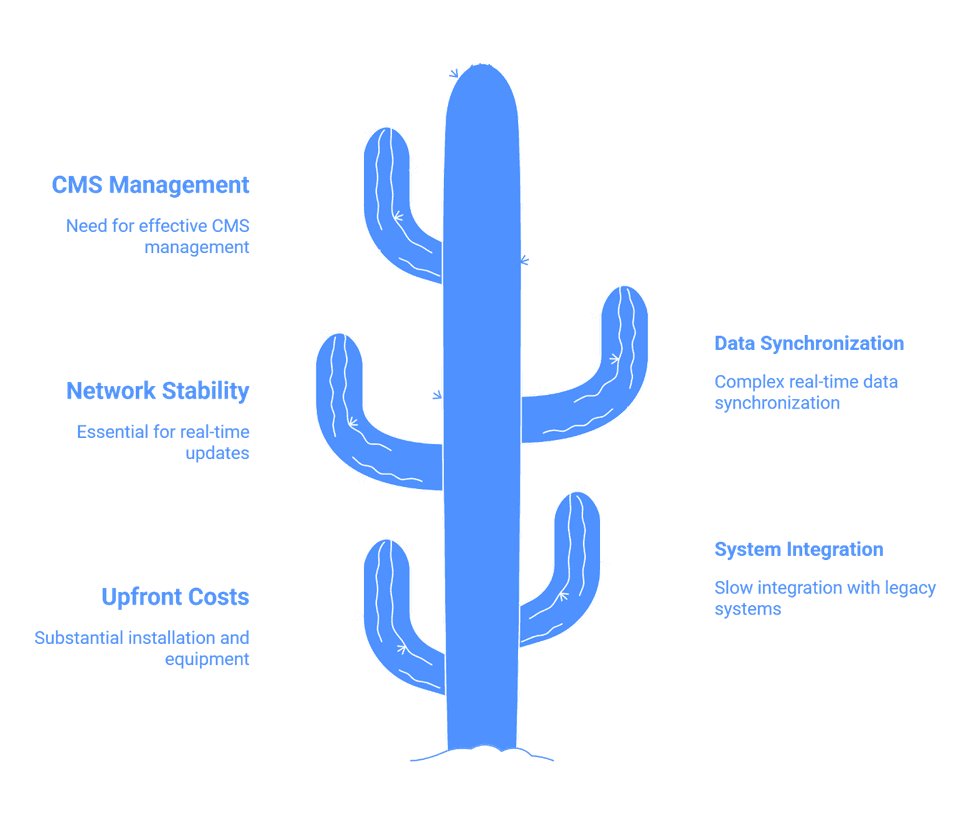
Implantar señalización digital en un aeropuerto trae muchas ventajas, pero también retos operativos y técnicos. El coste de la instalación puede ser considerable, porque exige infraestructura y equipos de pantalla a gran escala. Integrar los sistemas nuevos con los sistemas heredados del aeropuerto puede ser lento. Y la estabilidad de la red es esencial para que los datos se actualicen correctamente en tiempo real. La sincronización de los datos entre sistemas y pantallas es determinante para mantener la coherencia. Pero los CMS actuales simplifican la integración, garantizan actualizaciones fiables y mejoran la eficiencia del sistema.
Retos principales
- Coste inicial de instalación y equipamiento
- Dificultad para enlazar con los sistemas existentes
- Necesidad de una buena conectividad de red
- Sincronización compleja de datos en tiempo real
- Un buen CMS para gestionarlo con eficacia
Buenas prácticas para un panel de vuelos eficaz
Para sacar el máximo partido a la señalización digital, los aeropuertos siguen estas buenas prácticas:
Diseño claro
- Usar tipografías grandes
- Mantener un espaciado adecuado
Código de colores
- Verde para el embarque
- Rojo para los retrasos
- Amarillo para los avisos
Colocación estratégica
- Instalar las pantallas en zonas de gran visibilidad
Mantenimiento periódico
- Asegurarse de que las pantallas funcionen siempre
Cómo mejora Wilyer la señalización digital de un aeropuerto
Sistema de gestión de contenido (CMS)
Wilyer ofrece un CMS unificado que permite al operador del aeropuerto gestionar todas sus pantallas desde una única interfaz, con mensajes homogéneos, operación simplificada, cambios de contenido rápidos y una gestión eficaz de varias ubicaciones.
Actualizaciones en tiempo real
Con Wilyer es posible actualizar la información de vuelos en tiempo real en todas las pantallas, de modo que el pasajero reciba datos oportunos y exactos sobre retrasos, embarques y cambios de puerta, incluso sin comunicación manual.
Soluciones que crecen
La solución de Wilyer es escalable y la pueden adoptar aeropuertos pequeños, medianos y grandes aeropuertos internacionales, y absorbe con facilidad el crecimiento de la operación y del tráfico de pasajeros con el tiempo.
Gestión multiubicación
Wilyer permite al operador controlar varias terminales, o incluso varios aeropuertos, desde un solo punto, lo que da un mensaje coherente y una operación coordinada en todos los emplazamientos.
Diseños de pantalla personalizables
Wilyer aporta flexibilidad de diseño y permite al aeropuerto adaptar sus pantallas a su imagen de marca, a las preferencias del pasajero y a sus necesidades operativas, sin perder claridad y mejorando la comunicación visual.
Capacidad de integración
Wilyer se conecta con las bases de datos de aerolíneas y aeropuertos, así como con API de terceros, para ofrecer una transferencia de datos fluida, actualizaciones en tiempo real y una información de vuelos exacta en toda la red de señalización.
Compatible con pantallas interactivas
Wilyer funciona con quioscos táctiles y pantallas interactivas, lo que permite al usuario buscar vuelos, acceder a servicios y moverse por el aeropuerto con eficacia, mejora su experiencia y alivia la carga del personal.
Sistema de alertas de emergencia
Wilyer permite emitir al instante alertas de emergencia en todas las pantallas, de modo que pasajeros y personal reciban rápido la información crítica, lo que mejora la seguridad, la coordinación y la respuesta en situaciones urgentes.
Tendencias de futuro en la señalización digital de aeropuertos
Personalización
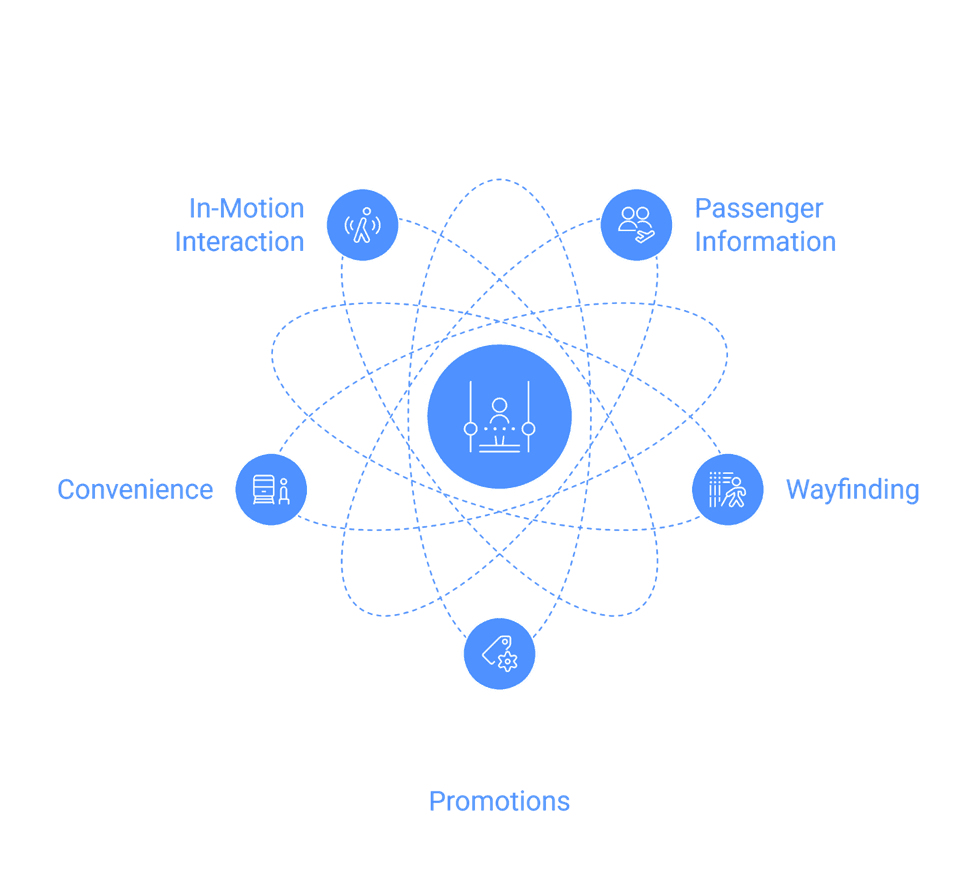
Las pantallas personalizadas usarán los datos del pasajero para mostrarle la información de vuelo, la orientación y las promociones que le corresponden. Eso gana en comodidad, porque muestra información basada en sus preferencias, sus planes de viaje y su recorrido por el aeropuerto.
Integración biométrica
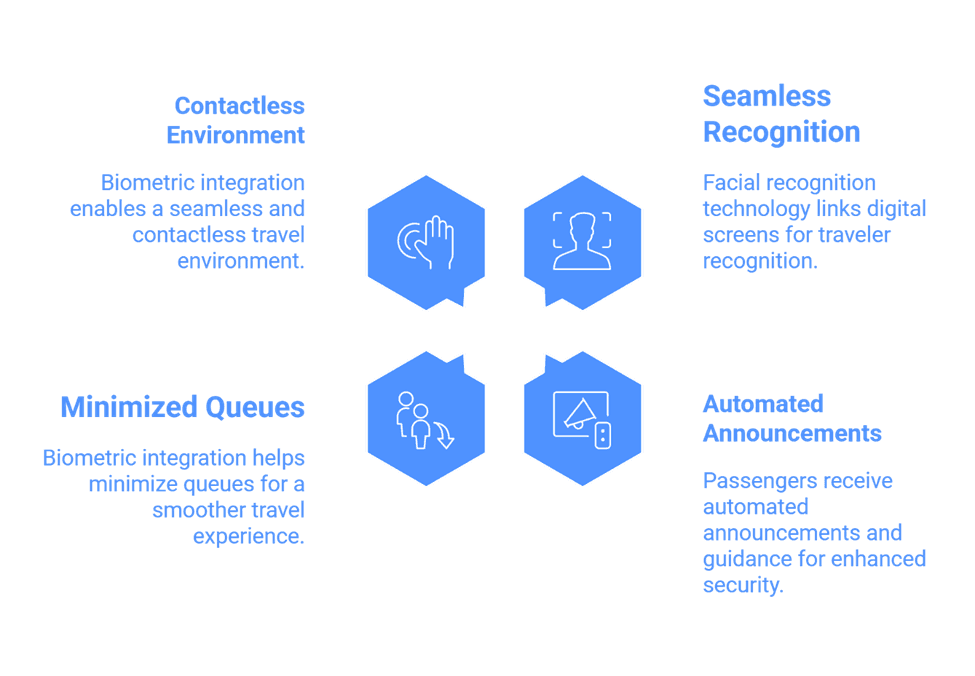
La integración biométrica enlazará las pantallas con el reconocimiento facial, lo que permitirá identificar y verificar al viajero sin fricción. Los avisos y las indicaciones automáticas mejorarán la seguridad, reducirán las colas y harán posible un viaje fluido y sin contacto.
Realidad aumentada (RA)
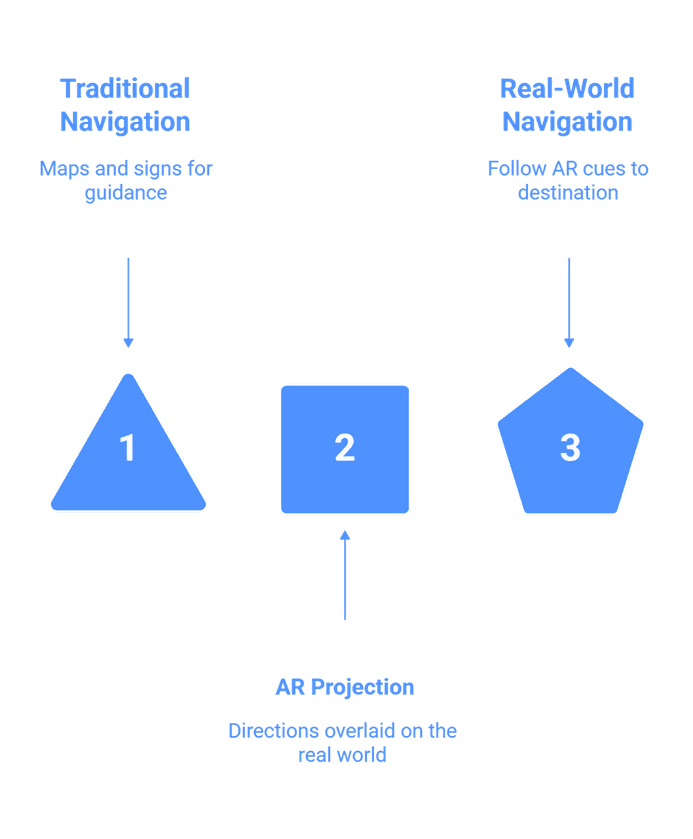
La realidad aumentada revolucionará la orientación al proyectar las indicaciones sobre el mundo real. El usuario podrá llegar a su puerta, a un servicio o a una instalación con su móvil o con unas gafas de RA, lo que hará más simple y más rápido moverse por el aeropuerto.
Sostenibilidad
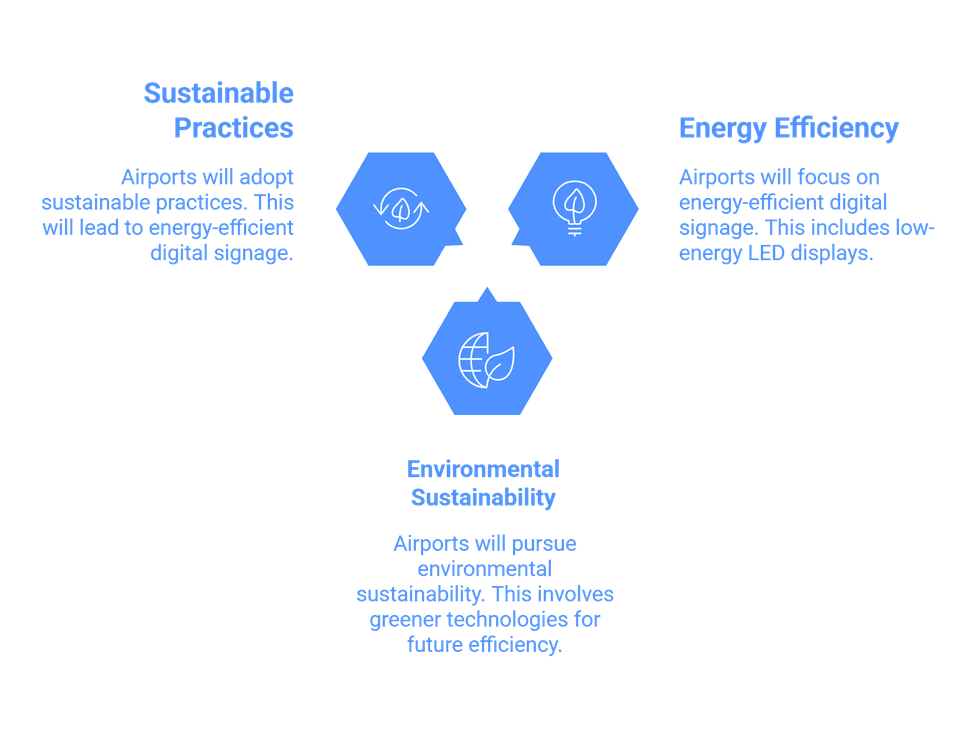
La sostenibilidad llevará a una señalización digital más eficiente, con pantallas LED de bajo consumo y prácticas responsables. Los aeropuertos buscarán eficiencia energética, sostenibilidad ambiental y tecnologías más verdes de cara al futuro.
Conclusión
La señalización digital es un componente crítico del aeropuerto moderno. Ya se trate de las pantallas de vuelos, de sistemas de información de vuelos (FIDS) avanzados o de otras soluciones, garantizan una comunicación excelente, la satisfacción del pasajero y una operación eficiente.
Aprovechando tecnologías y soluciones como las de Wilyer, un aeropuerto puede renovar su sistema de comunicación para hacerlo inteligente, flexible y preparado para el futuro.
Con el aumento del tráfico aéreo, la necesidad de buenos paneles de vuelos y de pantallas de llegadas y salidas será aún más crítica, y consolidará la señalización digital como una pieza clave del aeropuerto inteligente.