Best Digital Signage Software for Airports & Transit Hubs
Find the best digital signage software for airports and transit hubs to manage passenger information, ads, and announcements.
8 Min Read
Ayush Bindal
Introduction
Airports and transit hubs are among the world’s most challenging environments. With large crowds, dynamic information, security concerns, and wayfinding, airport digital signage software is crucial to smooth airport operations. In this post, we will take a look at the top airport digital signage software, features, applications, and how to select the right signage system for airports.
What is Airport Digital Signage Software?
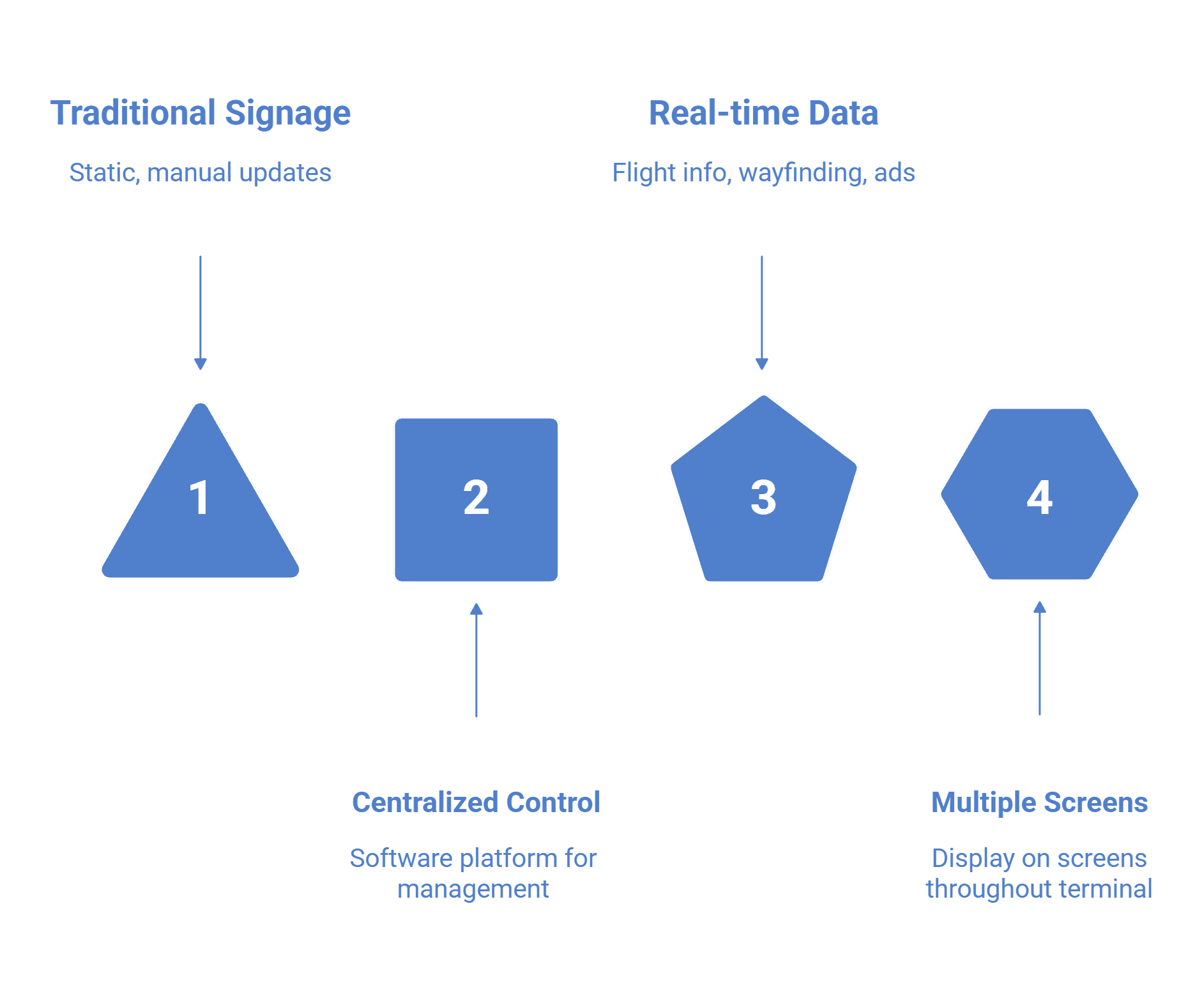
Airport digital signage software is a centralized platform to control and present real-time data like flight information, wayfinding, announcements, and ads on multiple screens throughout the terminal.
It connects to flight information systems and operational databases to display up-to-date information, enhancing passenger convenience and efficiency.
Why Airports & Transit Hubs Need Digital Signage
Airports need communication that is accurate, clear, and fast. Digital signage keeps people moving and lessens delays.
Key Benefits
Real Time Flight Information
Airport CMS systems provide real-time information about flights, delays, and gate changes. This eliminates confusion, ensuring real-time information is delivered to passengers, and builds confidence, reducing the risk of missed flights and delays.
Improved Passenger Experience
Digital signage reduces stress by providing clear directions, updates, and relevant information. Passengers can navigate complex terminals easily, making their journey smoother and more enjoyable.
Operational Efficiency
Automated announcements and messages ease staff burden. Airport staff can coordinate all communication from a central location, avoiding errors.
Increase Revenue Opportunities
Advertising screens can showcase targeted advertising and promotions. This allows for more revenue-generating opportunities while engaging passengers with targeted messaging.
Enhanced Safety & Emergency Communication
During a crisis, digital signage can quickly broadcast safety instructions and evacuation routes on all screens, ensuring the safety of passengers.
Key Features of the Best Airport CMS
Flight Information Display
FIDS is the heart of the airport signage system, which displays flight times and delays, gate information, and changes. It connects with the airline systems to provide real-time information on all displays.
Passenger Information Display System (PIDS)
PIDS provides real-time information on transportation networks like the metro, buses, and airports. It provides routes, timetables, and notifications, keeping passengers up-to-date.
Interactive Wayfinding
Interactive kiosks with maps and directions assist passengers in finding gates, stores, and amenities. It eliminates confusion in big airports and enhances wayfinding.
Centralized Content Management
With Airport CMS, all displays can be managed centrally. Changes are applied in real-time across all displays, providing up-to-the-minute information.
Multi-Language Support
Airports serve global travelers, so signage must support multiple languages. This ensures inclusivity and improves communication for international passengers.
Integration with Airport Systems
Effective aviation signage solutions connect to baggage management, security, and airline databases, allowing for real-time and accurate information.

Best Airport Digital Signage Software Platforms
These are among the most popular transportation hub signage software platforms:
Wilyer
Wilyer is a highly developed software platform meant to be used in today’s airports as an airport signage system. This software gives centralized management, automatic updates, and management from multiple locations, all in one package. The integration of interactive screens, FIDS support, and intelligent scheduling makes the Wilyer system a very valuable tool for airports.
Scala
A comprehensive enterprise-level digital signage system is popular in public transport. This provides sophisticated FIDS, PIDS, and content management, allowing airports to control extensive signage networks.
C-nario
A powerful signage system is deployed globally in major airports. It has the ability to synchronize content across video walls and large display networks, making it perfect for busy transportation hubs.
Sony Ziris
A commercial signage system that can control thousands of screens at once. It is well-suited for large airport environments with complex video wall setups.
3D Wayfinder
Offers interactive wayfinding solutions with 3D maps and live directions. It’s perfect for enhancing passenger navigation in major airports and transportation facilities.
Use Cases of Transit Hub Display Software
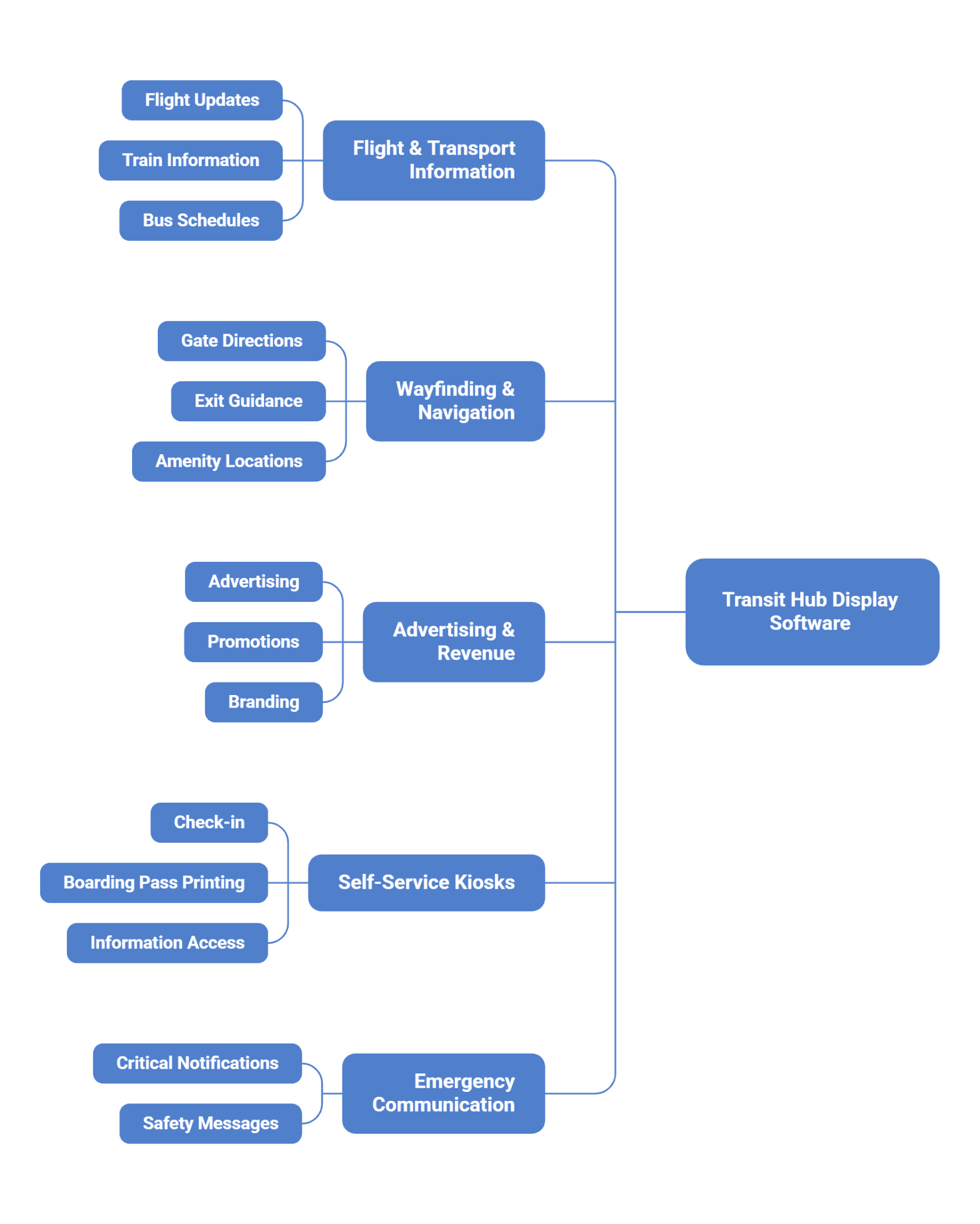
Flight & Transport Information
Screens show real-time flight, train, and bus information. Passengers are kept up-to-date and can prepare for their trip.
Wayfinding & Navigation
Digital displays show passengers their way to gates, exits, and amenities. This eliminates confusion and improves passenger satisfaction.
Advertising & Revenue
Digital signage is used to showcase advertising, promotions, and branding opportunities, creating revenue streams for the airport.
Self-Service Kiosks
Self-service kiosks allow passengers to check in, print boarding passes, and get information, speeding up processes.
Emergency Communication
Signage shows critical notifications and safety messages in real-time, keeping people safe in emergencies.
Cloud vs On-Premsie Airport Signage software
Cloud-Based Software
These systems are accessible remotely, scalable, and capable of real-time updates across airports. They are best for flexible airports and those with minimal IT resources.
On-Premise Software
On-premise solutions offer greater flexibility and security, making them ideal for airports with data protection needs. But they are more costly and require more upkeep.
How to Choose the Best Aviation Signage Platform
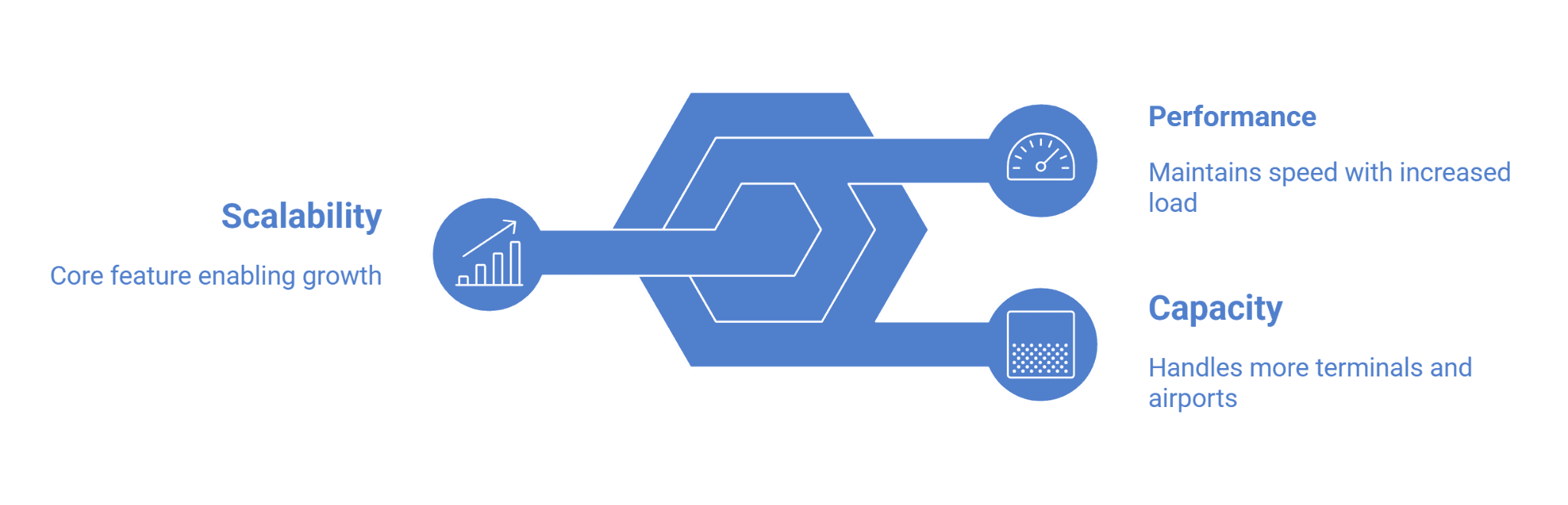
Scalability
The scalability feature means that your platform for signage will work fine when you extend it to include more terminals, gates, and even several airports at once. When the number of customers grows, you have to handle hundreds of screens at a decent pace.
Reliability
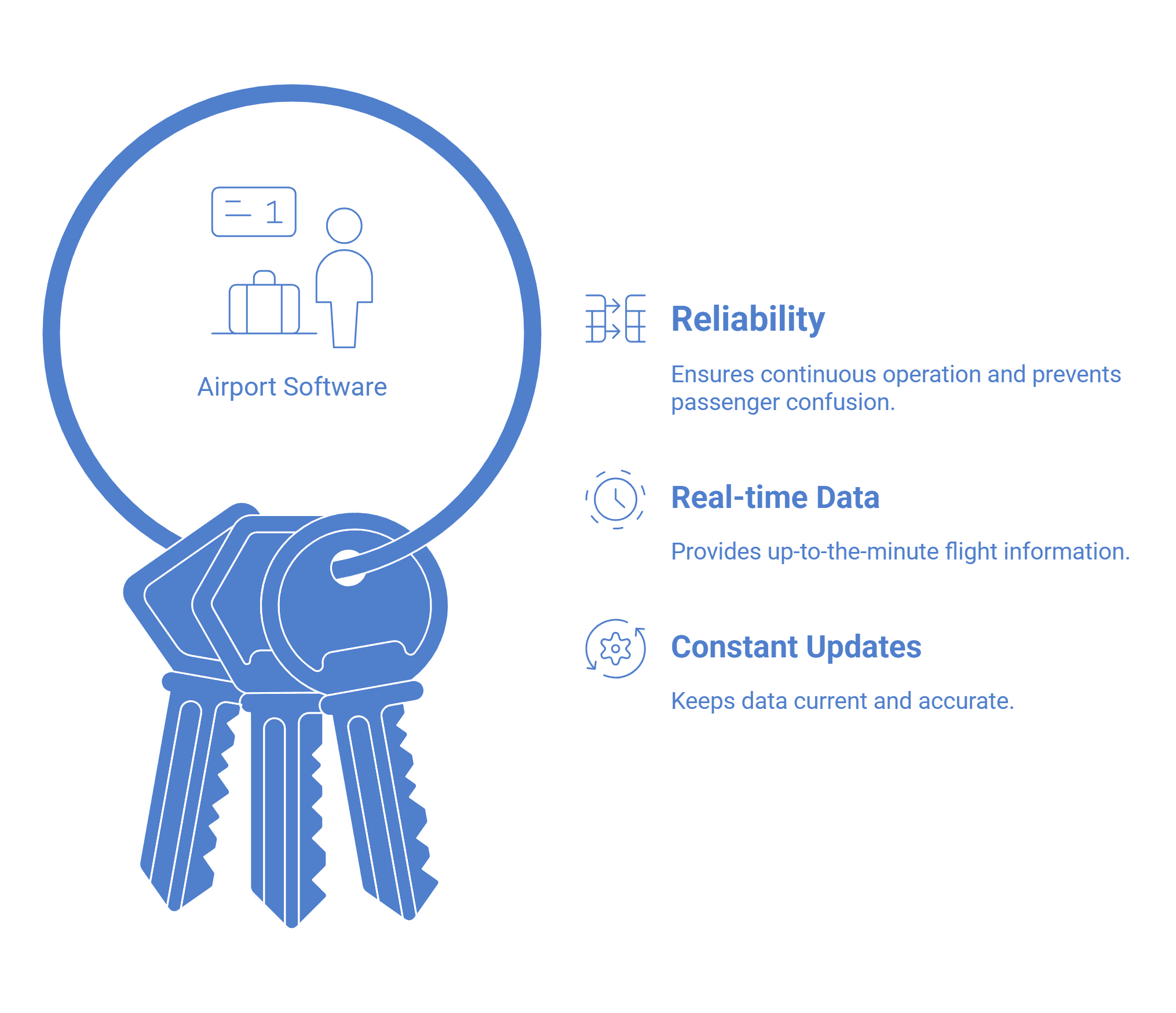
Since airports work 24/7, you need reliable software with no downtime and constant updates of the data about flights in real time. It is important because a reliable system works all the time properly, preventing the risk of passengers’ confusion.
Integration Capabilities
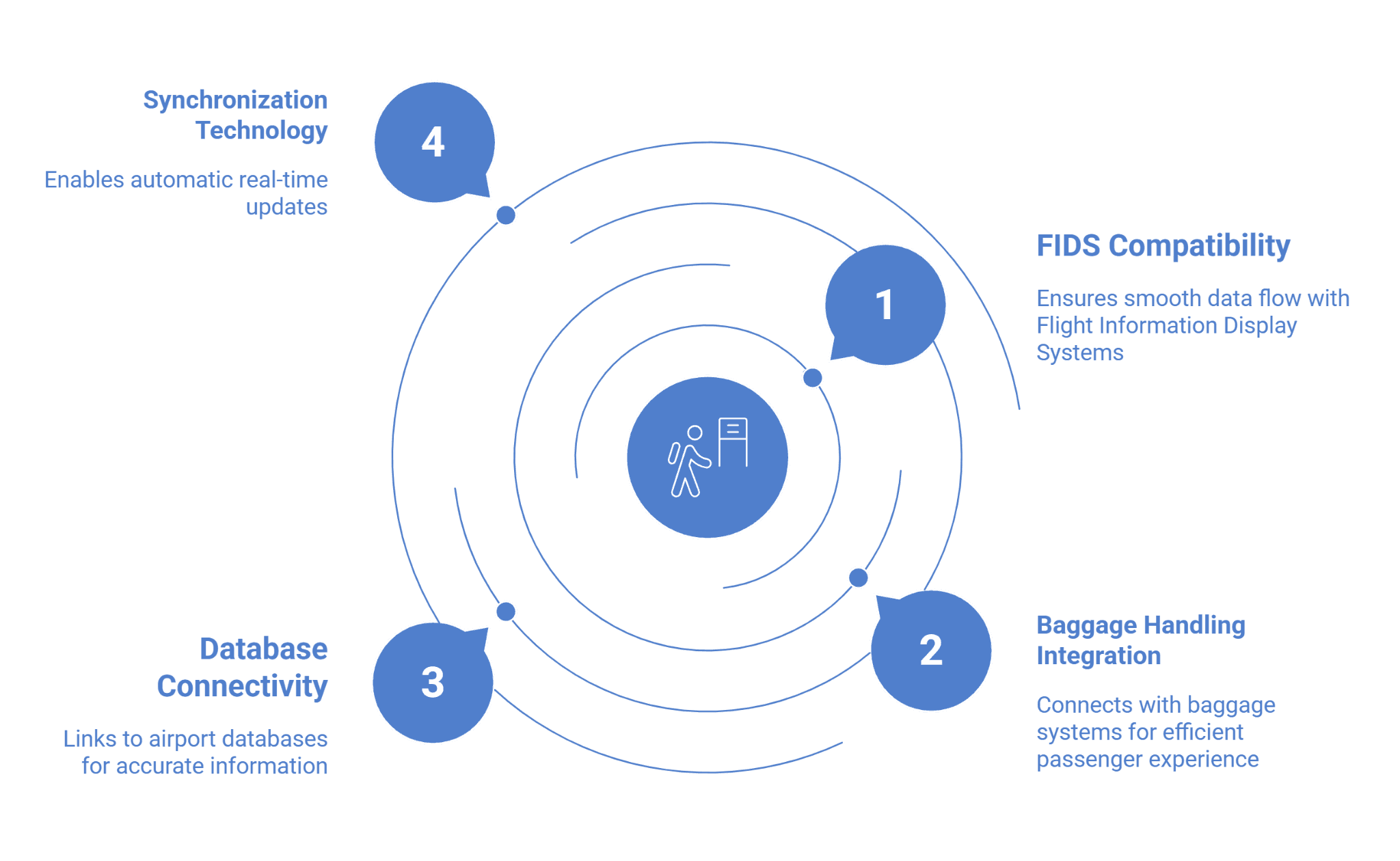
For the signage system to operate successfully, it should integrate easily into the airport systems such as FIDS, baggage handling, or databases. It makes it possible for the signage system to be updated automatically in real time using synchronization technology.
Ease of Use
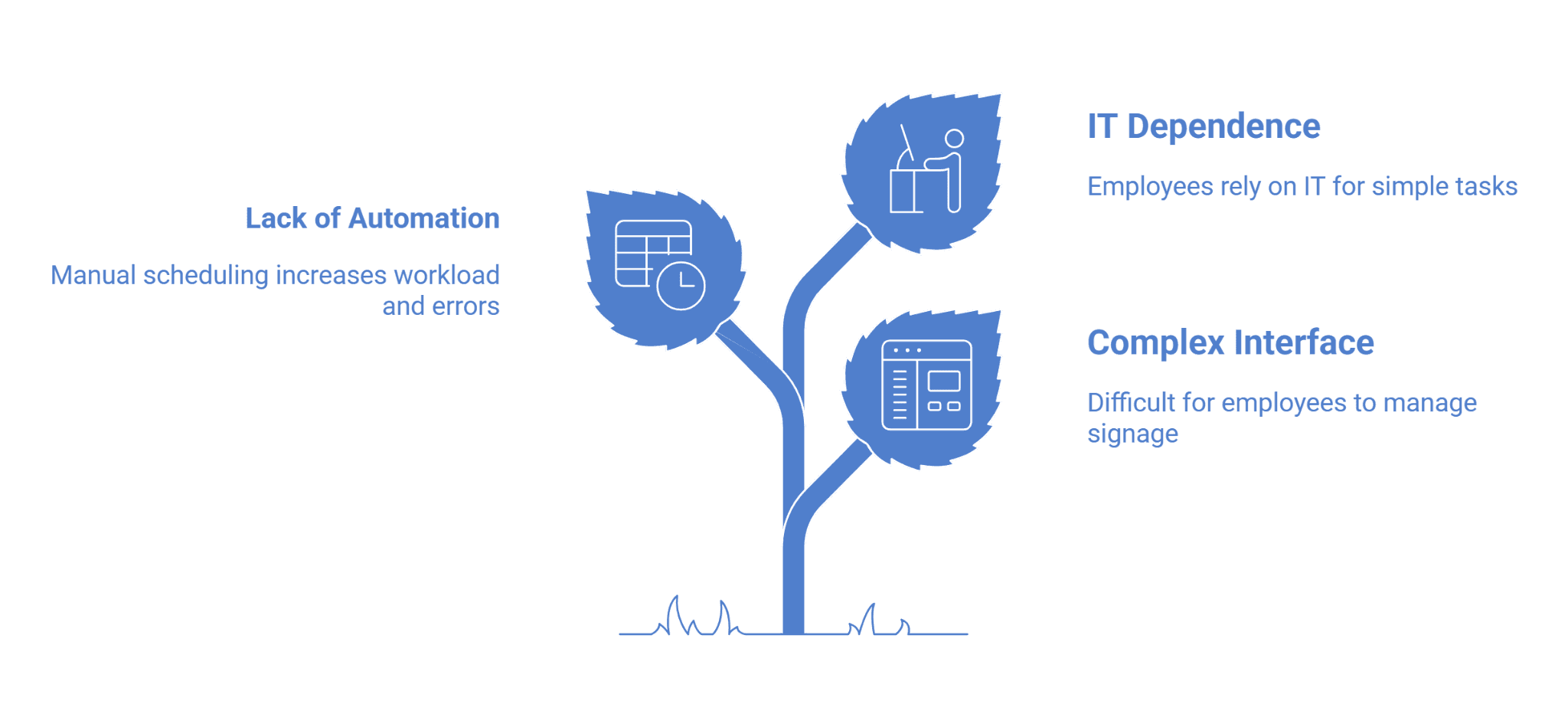
A user-friendly interface will make managing the content easier for airport employees without the help of IT specialists. Such functions as the ability to use drag and drop editors and schedule automatically will facilitate the process of handling the signage.
Security and Compliance
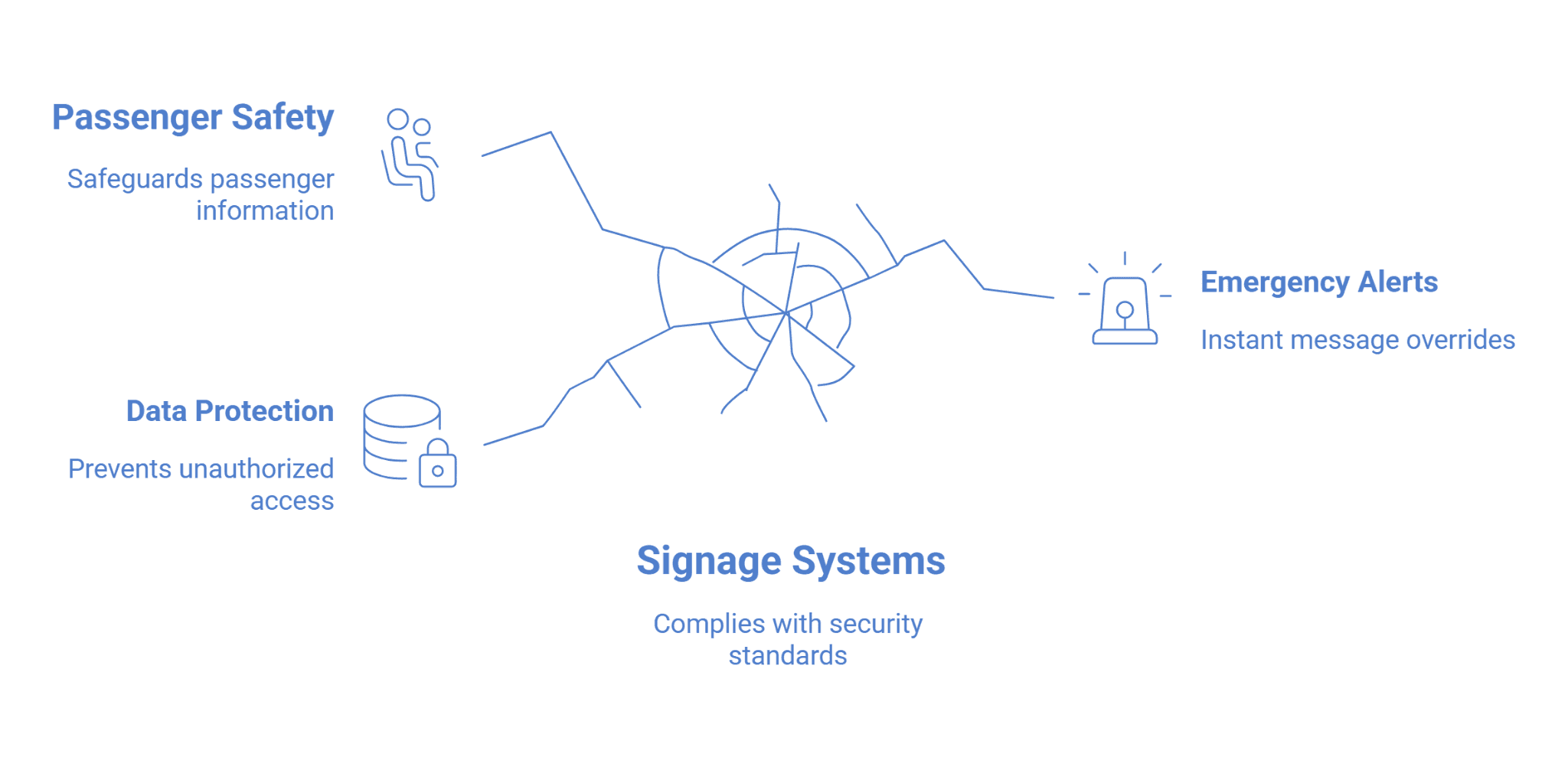
Airport signage systems must comply with strict aviation security standards to protect sensitive data and ensure safe operations. Secure platforms prevent unauthorized access, safeguard passenger information, and allow emergency message overrides, ensuring critical alerts are displayed instantly across all screens.
How Wilyer Helps Airports & Transit Hubs
Wilyer offers a robust airport CMS system for large-scale iuse in airports and transport.
Key Benefits of Wilyer
Centralized CMS Control
Wilyer enables airport management to control all screens from a single interface, delivering unified messaging across the airport.
Real-Time Update
Update flight details, messages, and warnings in real-time across all displays for increased efficiency and customer satisfaction.
Scalable Infrastructure
Supports expansion across multiple terminals and locations without complexity.
Interactive and Smart Displays
Enables wayfinding, personalized content, and interactive passenger engagement.
Future Trends in Airport Digital Signage
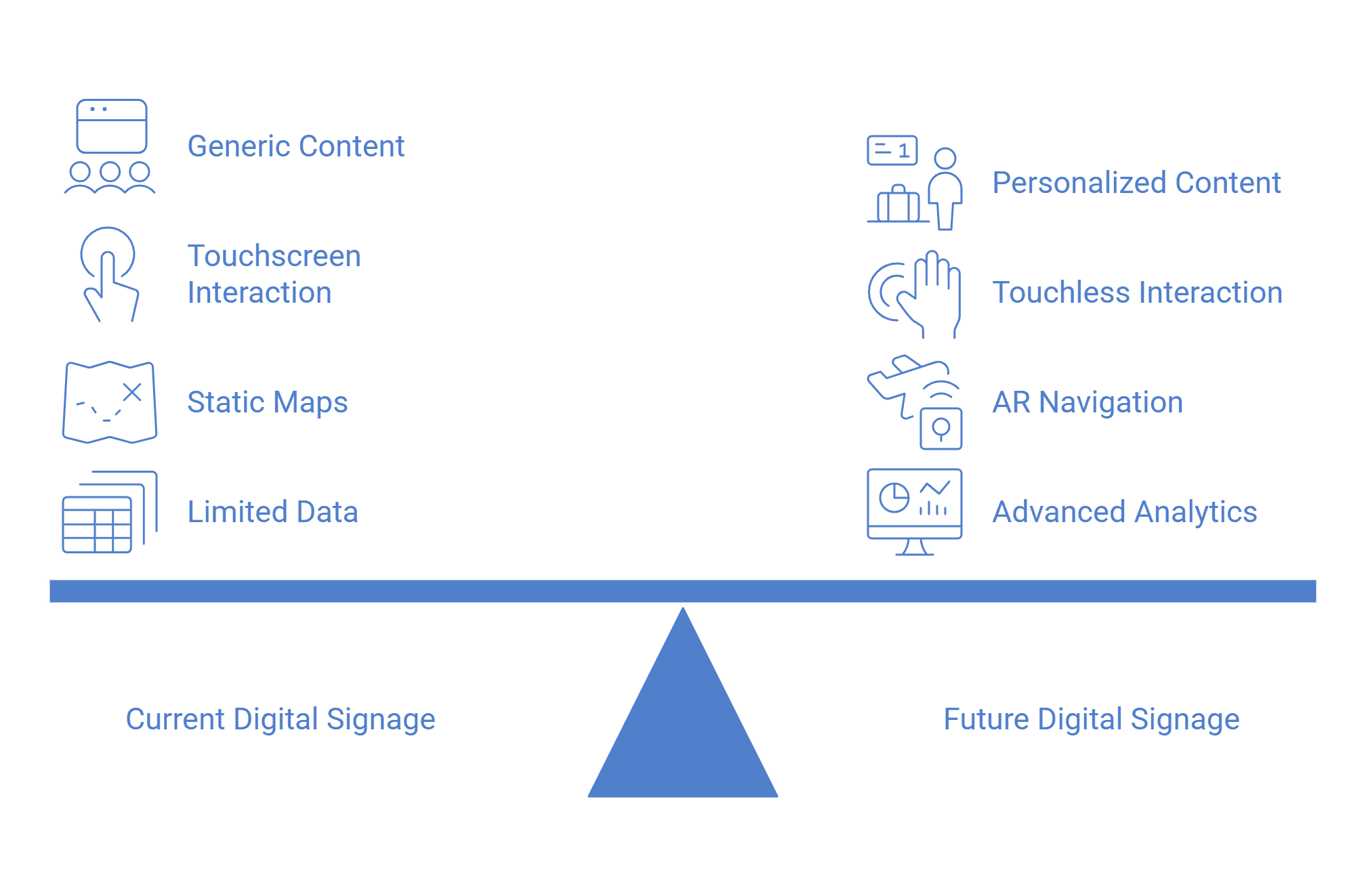
AI-Powered Personalization
New systems will provide tailored content, depending on user behaviour, interests, and travel patterns, for improved user experience.
Touchless Technology
Touchless systems using gestures and sensors will enhance safety and health standards.
AR-Based Navigation
Passengers will be directed through the airport with augmented reality overlays.
Advanced Analytics
Data analytics will help airports and airlines make better decisions, streamline operations, and improve passenger experience.
Conclusion
The best airport digital signage software plays a crucial role in transforming modern travel experiences. From real-time updates to interactive navigation, these systems improve efficiency, safety, and passenger satisfaction.
Selecting the appropriate transit hub display software or aviation signage system can help airports operate more smoothly and efficiently.

Multi-Platform Compatibility for Every Digital Signage Display
Run Wilyer’s digital signage software on your preferred operating system with zero hassle.