Hospital
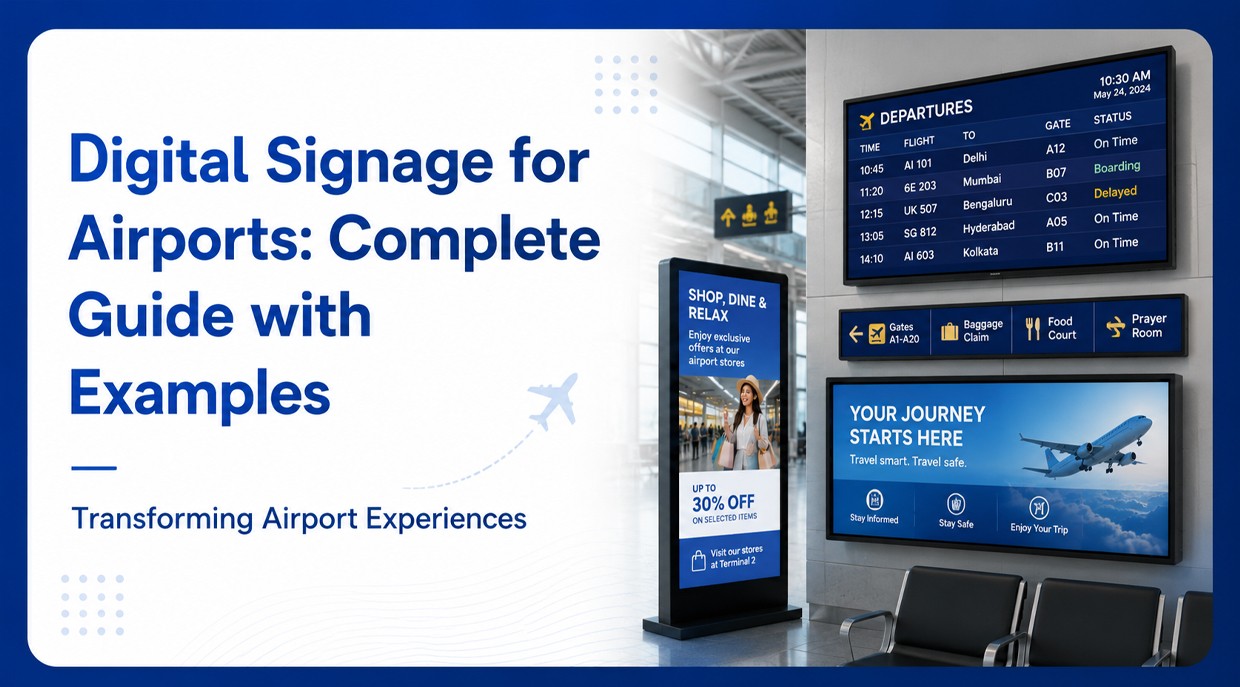
Digital Signage for Airports: Complete Guide with Examples
Learn how airports use digital signage for flight updates, navigation, advertising, and passenger communication with real examples.
8 Min Read
Ayush Bindal
Introduction
Modern airports are not just hubs for travel; they are complex ecosystems handling millions of passengers daily. With such massive football, communication becomes critical. One of the most essential tools that airports rely on is digital signage, especially for flight-related updates.
From flight display boards to the airport arrival and departure screens, digital signage ensures passengers receive real-time, accurate, and easy-to-understand information. At the heart of this system lies the FIDS system (Flight Information Display System) that enables communication across the airport.
In this blog, we’ll look at the use of digital signage in airports for flight information, the benefits, the components, and how to use technology like Wilyer to improve these systems for today’s airports.
What is an Airport Flight Information Display System (FIDS)?
An Airport Flight Information Display System (FIDS) is a digital system that collects, processes, and displays flight information such as departure, arrivals, delays, cancellations, gates, and baggage information in airports.
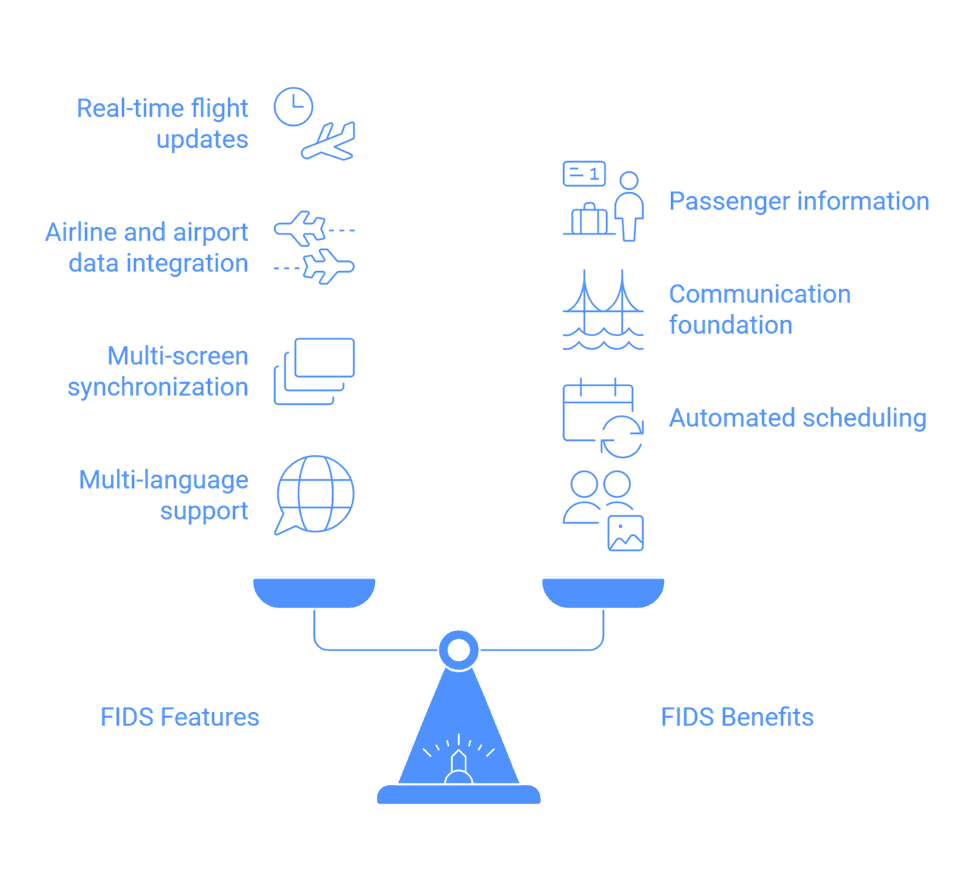
Key Features of FIDS:
Real-time flight updates
Airline and airport data integration
Multi-screen synchronization
Automated scheduling and updates
Multi-language support
FIDS is the foundation of communication at airports and provides passengers with the information they need.
Types of Airport Digital Signage Displays
Different kinds of digital signage are used in airports, depending on the application.
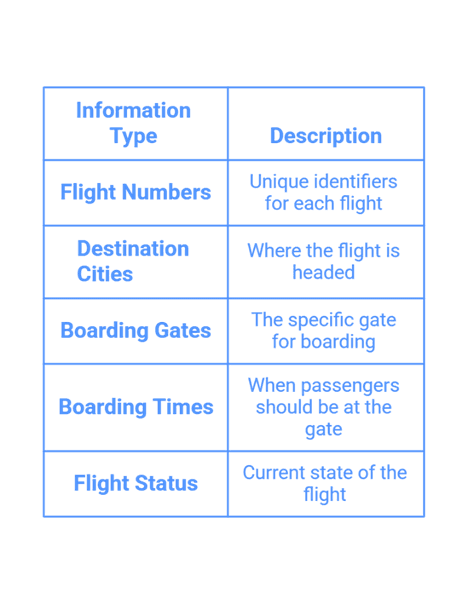
Departure Display Board
These screens show:
Flight numbers
Destination cities
Boarding gates
Boarding times
Flight status
Arrival Display Screen
These boards assist passengers and their families and friends arriving at the airport
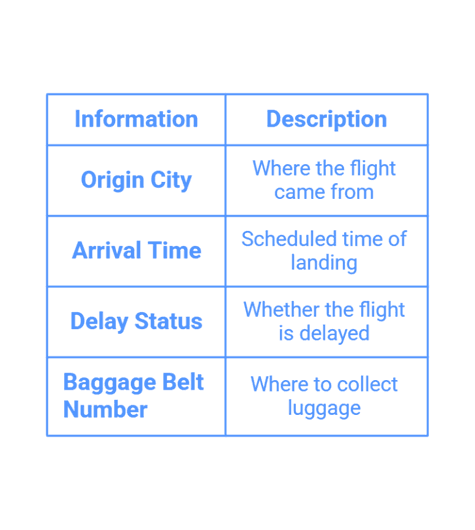
These displays show:
Origin City
Arrival time
Delay status
Baggage belt number
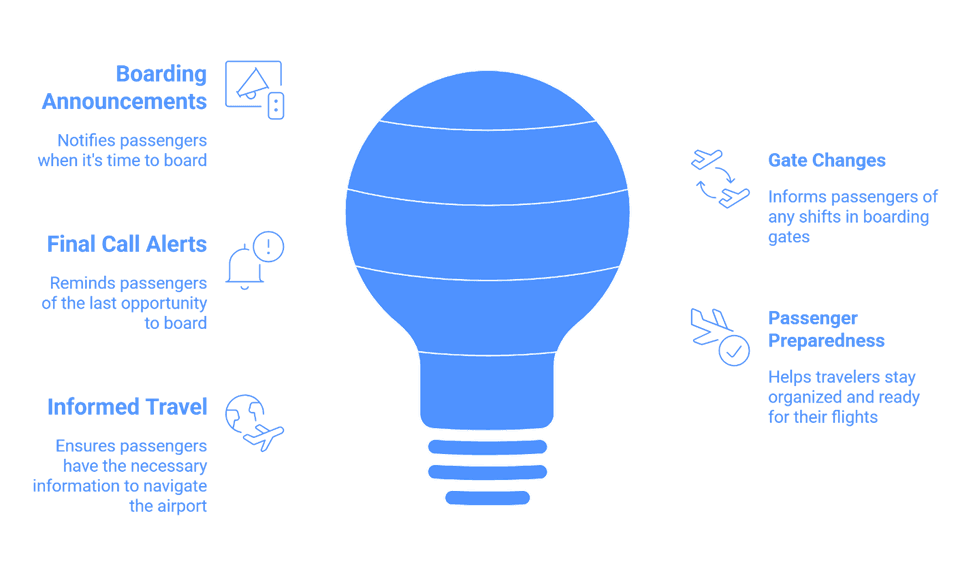
Gate Information Displays
Located near boarding gates, these screens provide:
Boarding announcements
Gate Changes
Final call alerts
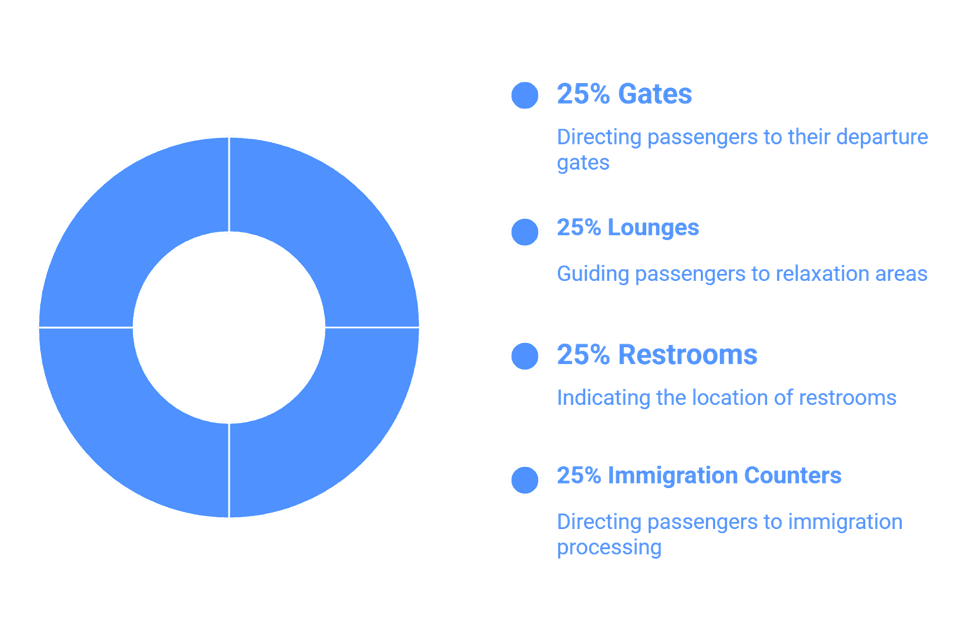
Wayfinding and Directional Signage
They help people find their way through the terminal to:
Gates
Lounges
Restrooms
Immigration counters
Baggage Claim Displays
Placed near baggage belts, these screens inform passengers about:
Assigned baggage carousel
Flight details
Waiting time
How the FIDS System Works
FIDS systems are based on software that combines various data sources into a single display system.
Data Sources:
Airline reservation system
Air Traffic Control
Airport operational databases
Weather systems
Working Process:
Data is collected in real-time
Processed by centralized software
Sent to digital screens across the airport
Updated automatically without manual intervention.
Benefits of Digital Signage in Airports
Real Time Information Updates
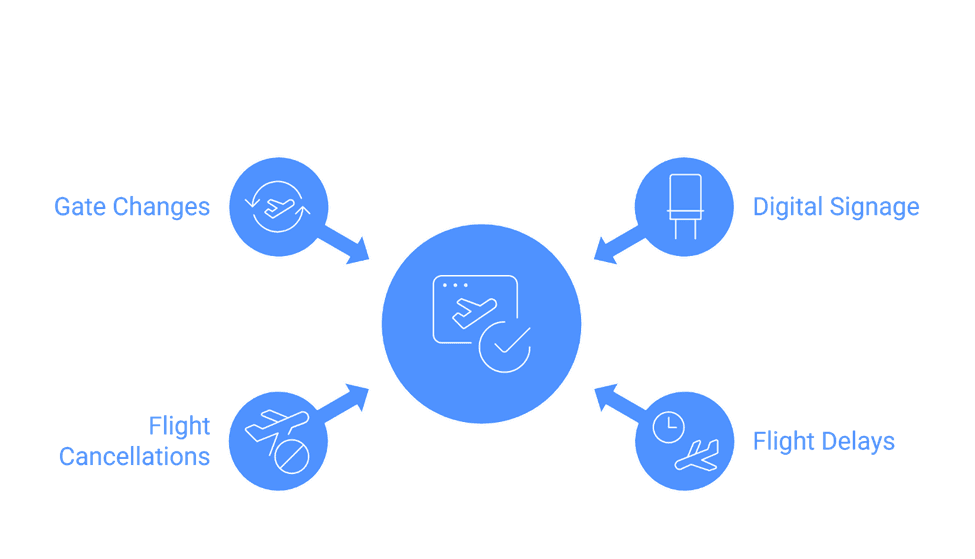
Real-time digital signage displays changes in flight, such as delays, cancellations, or gate changes, on all the screens. This ensures passengers always receive accurate, up-to-date information without relying on announcements, reducing confusion and helping them quickly adjust their travel plans.
Improved Passenger Experience
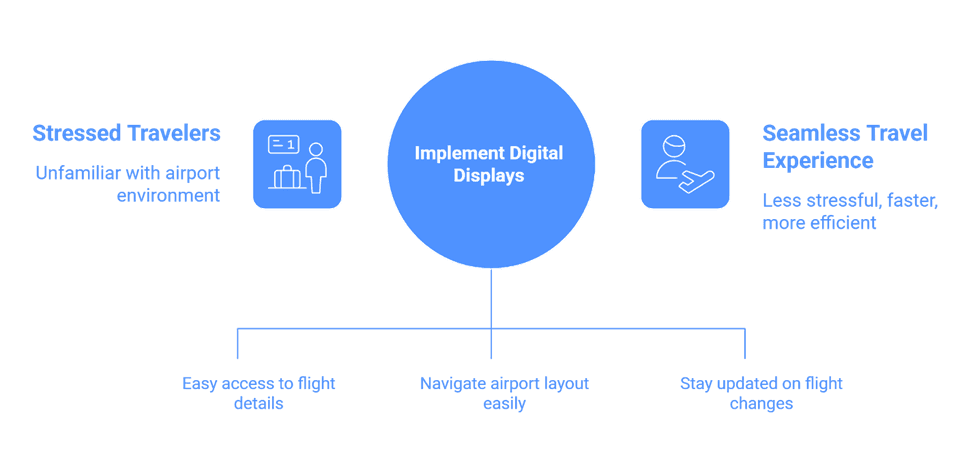
Well-organized digital displays provide easy access to flight information, maps, and announcements. This makes the travel experience less stressful, faster, and more seamless, particularly for those who may be unfamiliar with the airport environment and processes.
Operational Efficiency
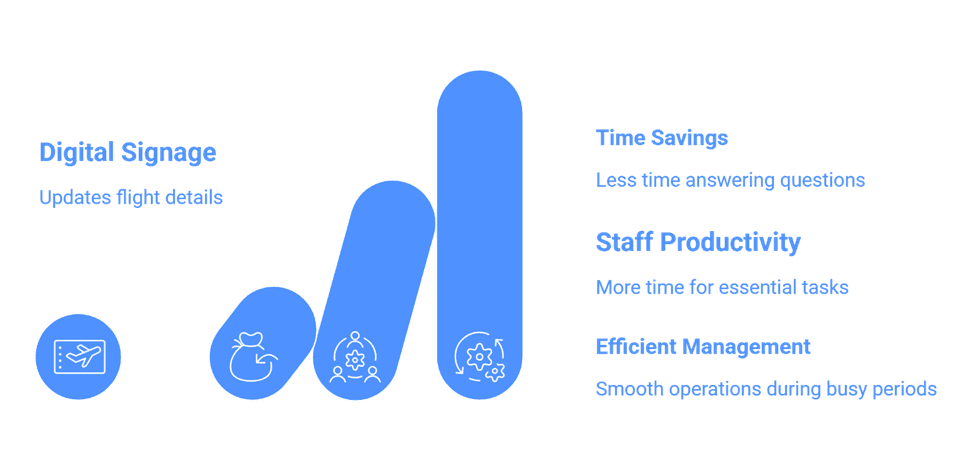
Digital signage continually updates flight details, saving time on answering passenger questions. This frees up staff time to perform other essential tasks and enhances productivity, thereby facilitating efficient airport management during busy periods.
Reduced Human Error
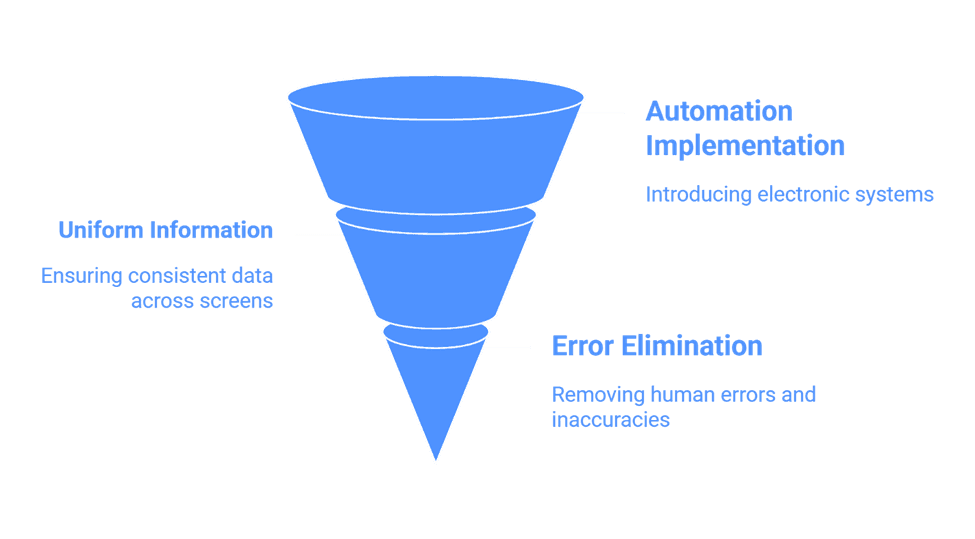
Automation removes the risks of human error associated with data input and announcements.
Electronic systems provide uniform and reliable information across all screens, eliminating the risk of incorrect information (such as gate number or schedule), which could cause delays.
Multilingual Communication
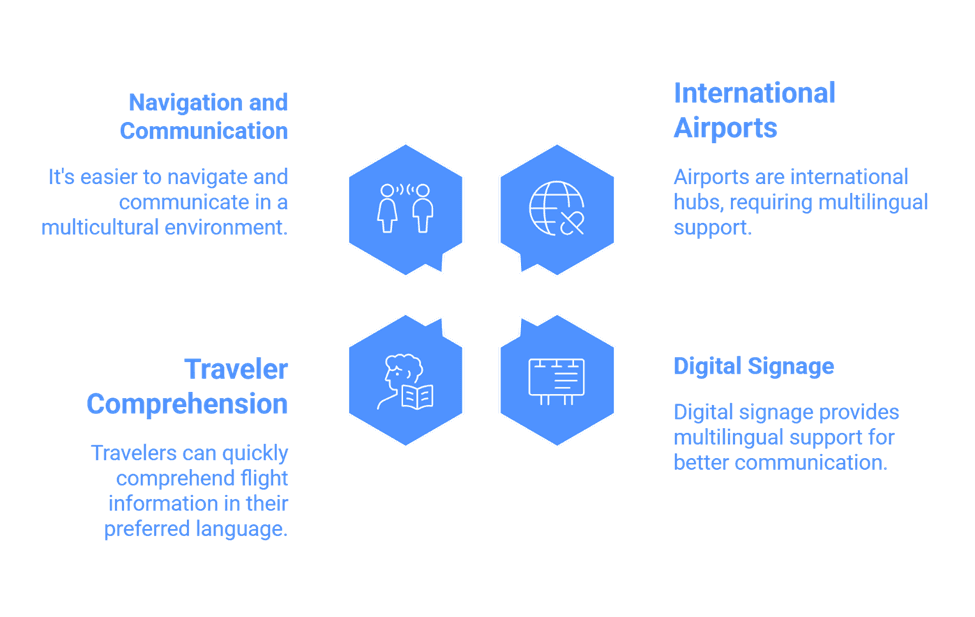
Airports are international, and digital signage offers multilingual support for better communication. Travelers can quickly comprehend flight information in their preferred language, making it easier to navigate and communicate in a multicultural and global environment.
Advertising Opportunities
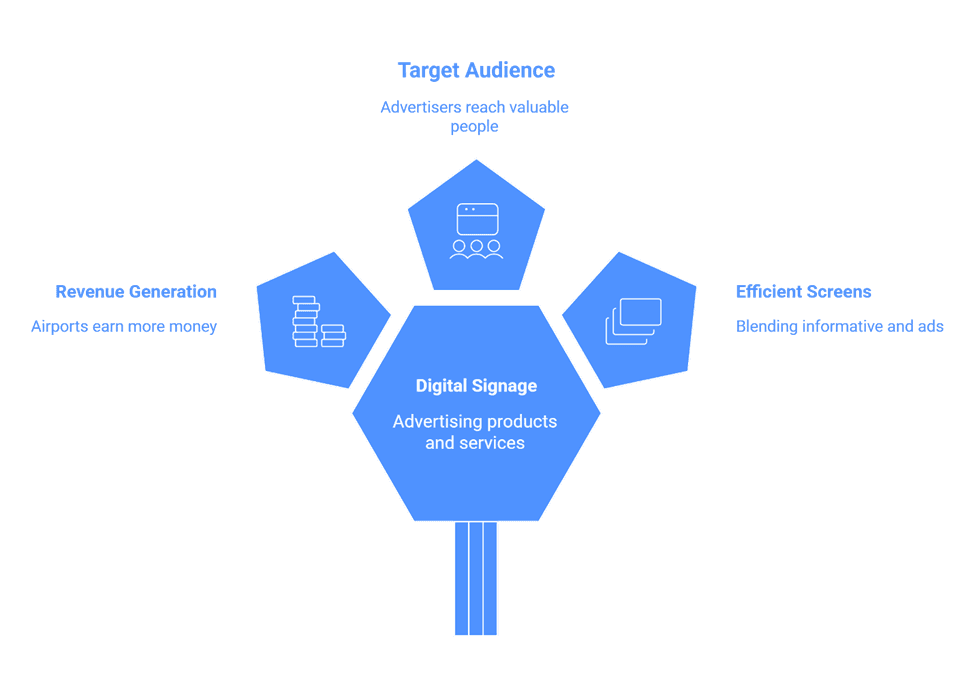
Digital signage also allows airports to advertise products and services, generating revenue. Advertisers can reach a valuable target audience, and airports can use screens more efficiently, blending informative and advertising content seamlessly.
Role of Smart Technologies in Modern Airport Display
AI and Predictive Analytics

AI and predictive analytics enable airports to predict delays and keep passengers flowing. These technologies process historical and real-time information to predict delays, prioritize boarding, and support decision making, leading to efficient operations and enhanced passenger satisfaction.
IoT Integration
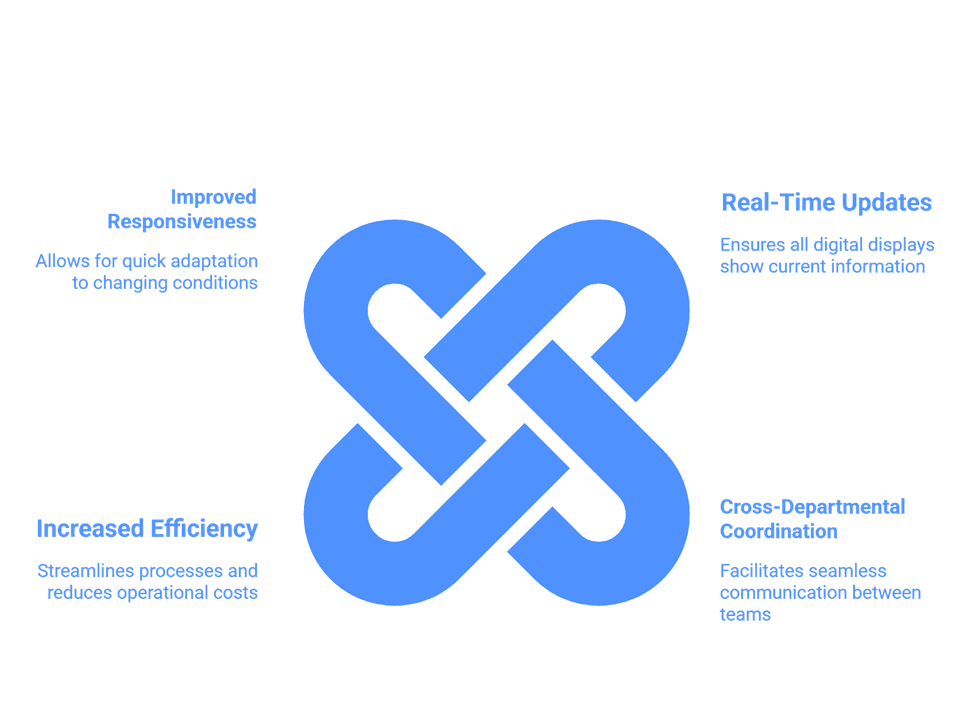
IoT links various airport systems, such as screens, sensors, and management tools, to share information in real time. It enables real-time updates across all digital displays, facilitates cross-departmental coordination, and boosts airport efficiency and responsiveness.
Cloud-Based Systems
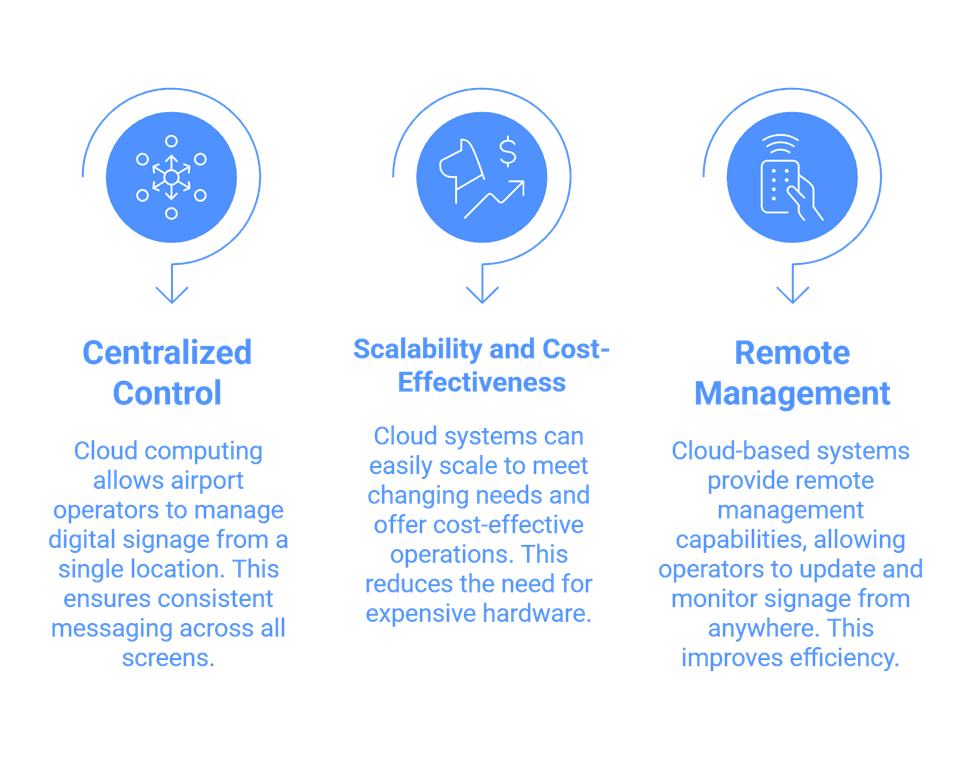
Cloud Computing enables airport operators to control digital signage from centralized systems. These systems offer paid deployment and updates, scalability, and cost-effective operations, with information consistency across multiple locations and remote management capabilities.
Interactive Displays
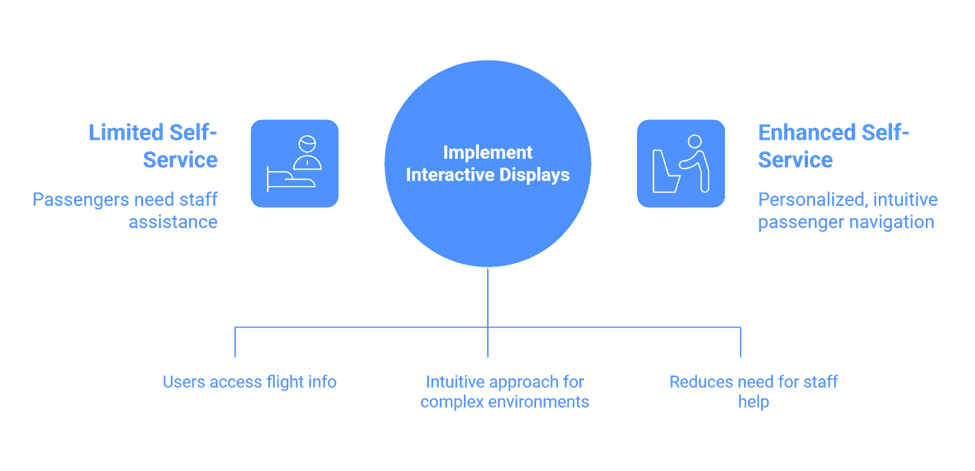
Interactive displays allow users to access flight information, maps, and services via touchscreen displays. This increases the self-service options, minimizes staff intervention, and offers a personalized, intuitive approach for passengers navigating through complex environments.
Challenges in Airport Digital Signage
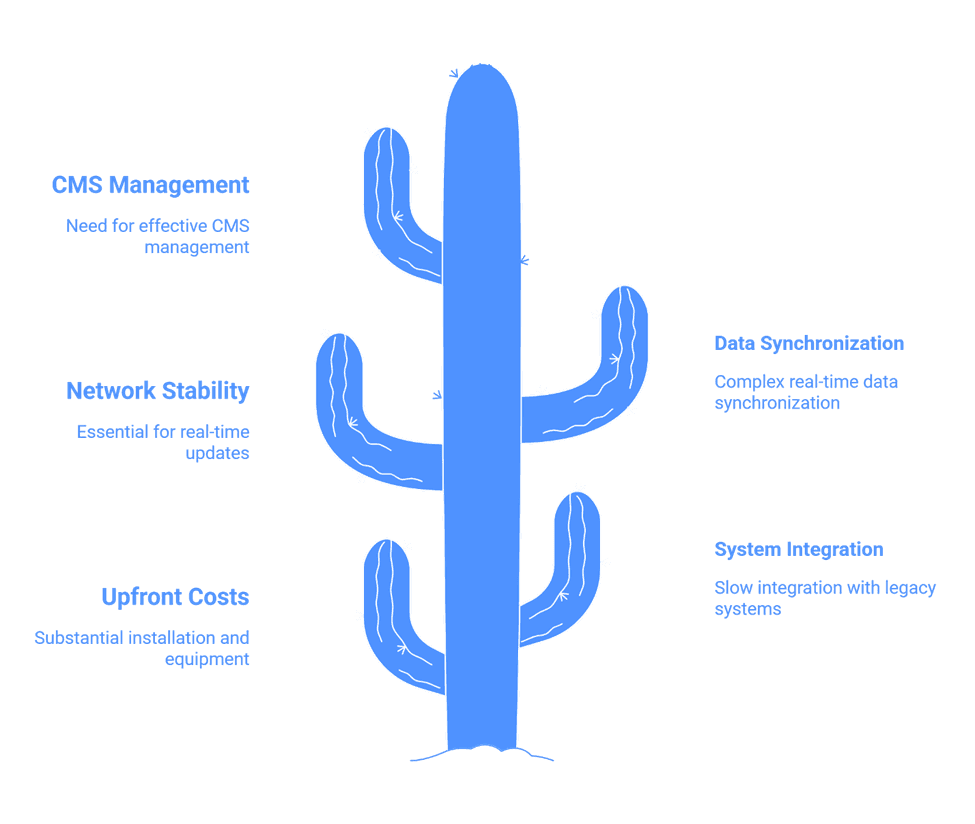
Implementing digital signage in airports offers many benefits, but it also comes with operational and technical challenges. The cost of installation can be substantial, requiring infrastructure and display equipment on a large scale. The process of integrating new systems with existing legacy systems in airports can be slow. Finally, network stability is essential to ensure data is properly updated in real-time. Timing of data across systems and screens is crucial to maintain consistency. But modern CMS systems simplify integration, provide dependable updates, and increase system efficiency.
Key Challenges
Upfront costs for installation and equipment
Hard to link with existing systems
Need for good network connectivity
Complex real-time data synchronization
Good CMS for effective management
Best Practices for Effective Flight Display Boards
To maximize the impact of airport digital signage, airports follow these best practices:
Clear Layout Design
Use large fonts
Maintain Proper spacing
Color Coding
Green for boarding
Red for delays
Yellow for alerts
Strategic Placement
Install screens at high-visibility areas
Regular Maintenance
Ensure screens are always functional
How Wilyer Enhances Airport Digital Signage
Content Management System (CMS)
Wilyer offers a unified CMS, enabling airport operators to manage all digital screens from a single interface, offering standardized messaging, streamlined operations, rapid content changes, and effective management of multiple locations.
Real-Time Updates
With Wilyer, real-time updates of flight information are possible across all displays, ensuring that passengers receive timely and accurate information about flight delays, boarding and gate number changes, even in the absence of manual communication.
Scalable Solutions
Wilyer’s solution is scalable and can be adopted by small airports, medium-sized airports, and large international airports, and can easily accommodate the growth of operations and passenger traffic over time.
Multi-Location Management
Wilyer enables operators to control multiple terminals (or even multiple airports) from a single location, leading to a consistent message and coordinated operations across all sites.
Customizable Display Layouts
Wilyer provides design flexibility, allowing airports to tailor screen displays to branding, passenger preferences, and operational needs while ensuring clarity and improving visual communication.
Integration Capabilities
Wilyer connects with the airline and airport databases, as well as third-party APIs, to provide seamless data transfer, real-time updates, and accurate flight information display across digital signage networks.
Interactive Display Support
Wilyer is compatible with touchscreen kiosks and interactive displays, enabling users to search for flights, access services, and navigate the airport efficiently, enhancing user experience and easing the burden on airport staff.
Emergency Alert System
Wilyer enables instant broadcasting of emergency alerts across all screens, ensuring passengers and staff receive critical information quickly, improving safety, coordination, and response during urgent situations.
Future Trends in Airport Digital Signage
Personalization
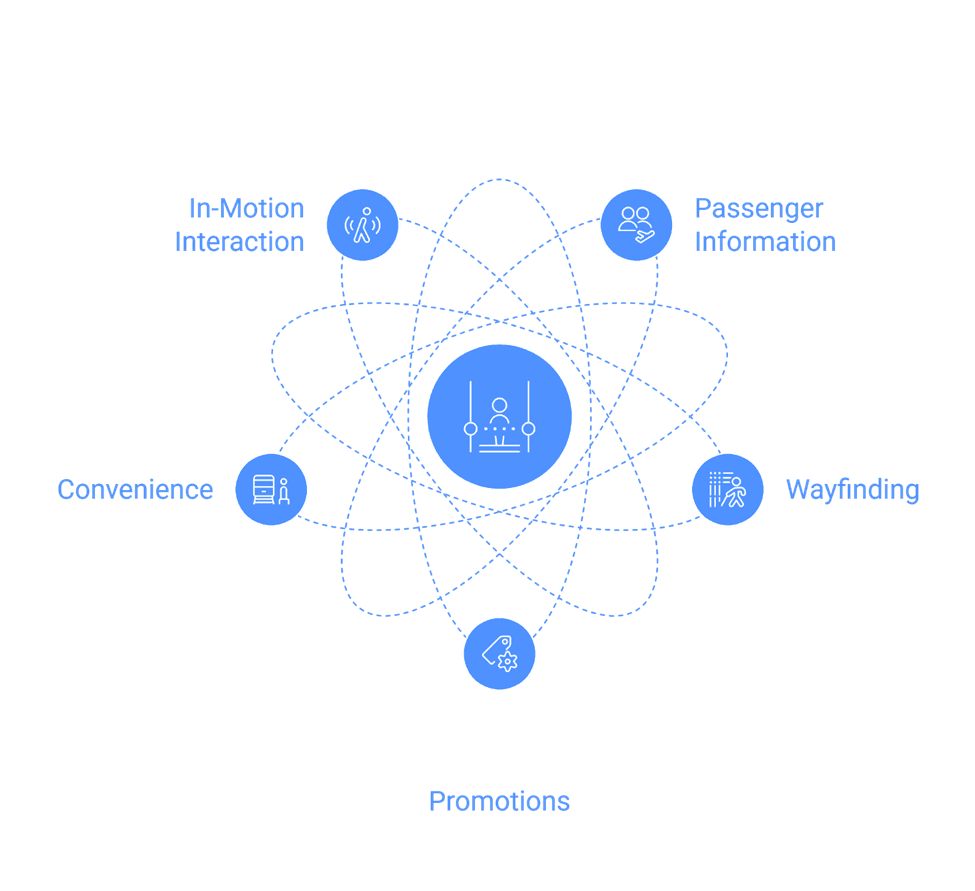
Customized digital displays will leverage passenger information to present relevant flight information, wayfinding, and promotions. This increases convenience by displaying information based on passenger preferences, travel plus, and in-motion interaction with the airport.
Biometric Integration
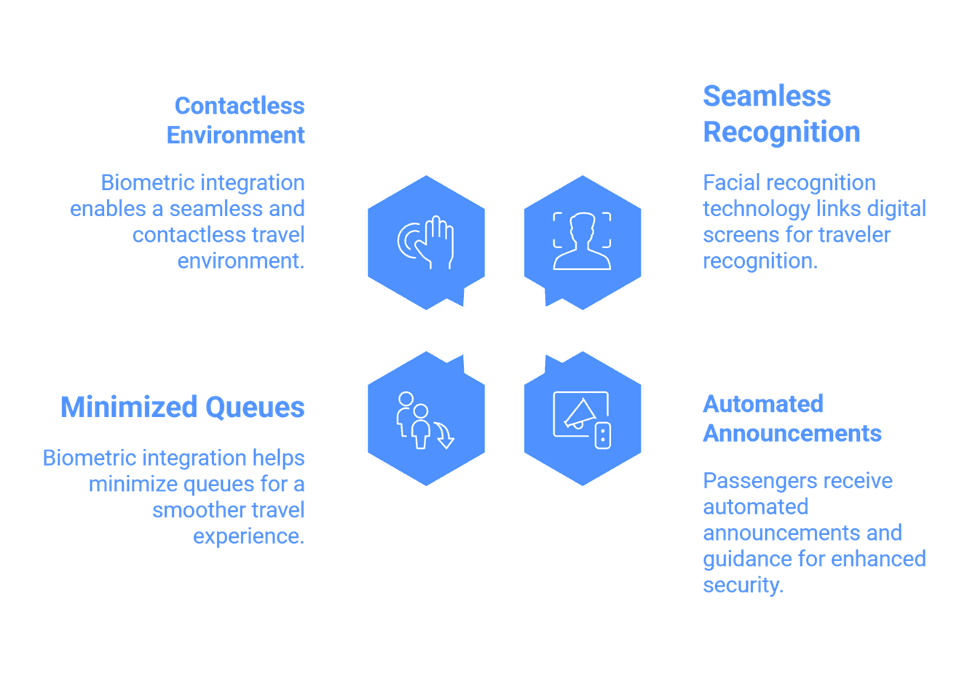
Biometric Integration will link digital screens with facial recognition technology, allowing seamless traveler recognition and verification. Automated announcements and guidance for passengers will enhance security, minimize queues, and enable a seamless and contactless travel environment.
Augmented Reality (AR)
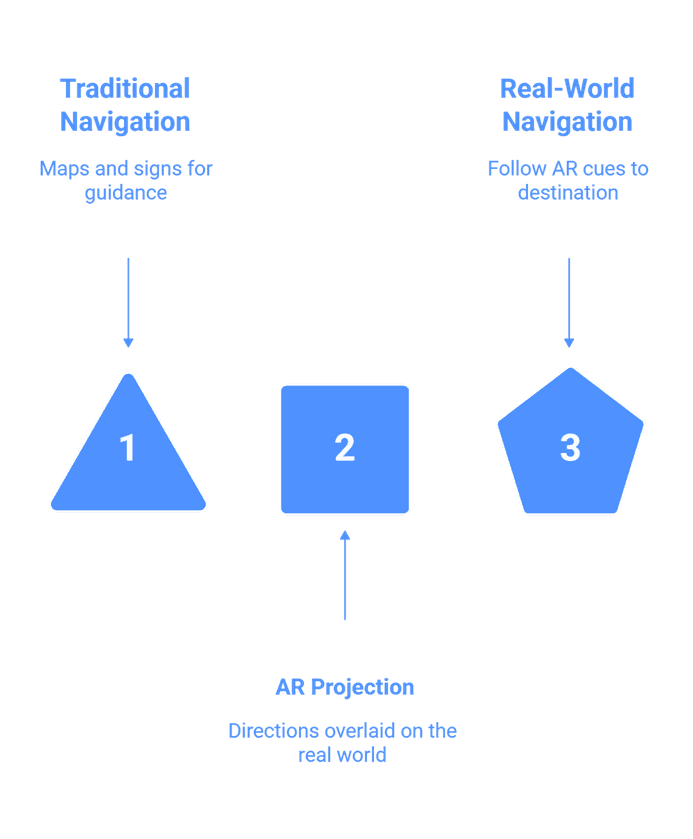
Augmented Reality will revolutionise wayfinding by projecting directions in the real world. Users can navigate to gates, services, and facilities using mobile devices or AR headsets, making it simpler and faster to navigate through the airport.
Sustainability
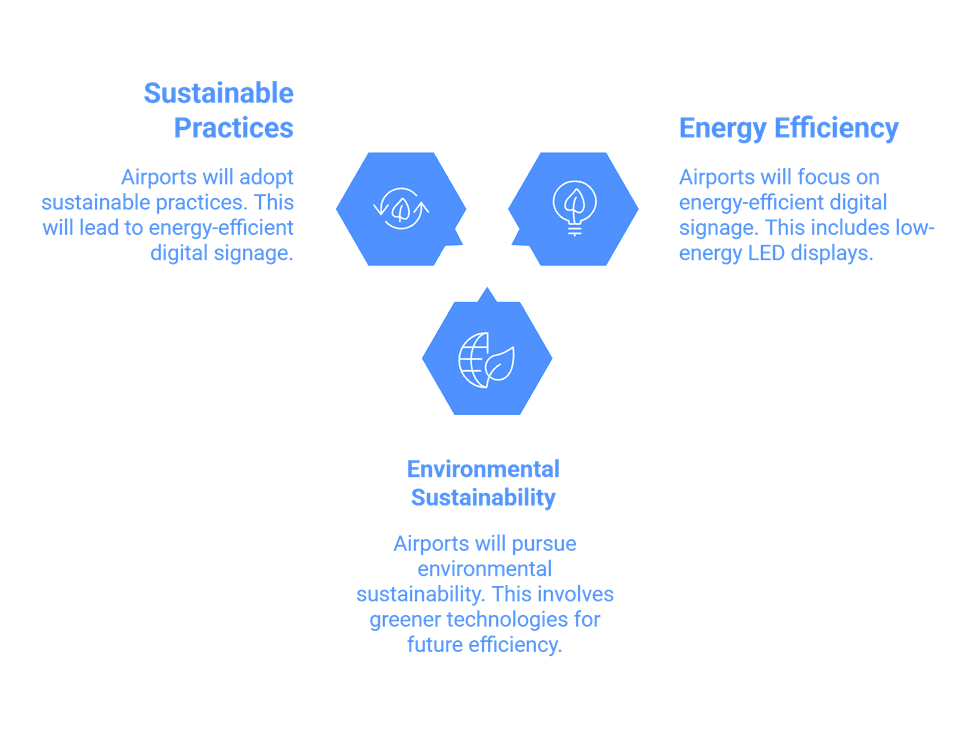
Sustainability will lead to energy-efficient digital signage, such as low-energy LED displays and sustainable practices. Airports will pursue energy efficiency, environmental sustainability, and greener technologies for future efficiency.
Conclusion
Digital signage is a critical component of modern airports. Whether it is airport flight displays, advanced flight information display systems (FIDS), or other solutions, they guarantee excellent communication, passenger satisfaction, and efficient operations.
By leveraging technologies and solutions such as Wilyer, airports can upgrade their communication system to be smart, flexible, and future-proof.
With increasing air travel, the need for efficient flight display boards and airport arrival and departure screens will become even more critical, establishing digital signage as a key component of smart airports.

Multi-Platform Compatibility for Every Digital Signage Display
Run Wilyer’s digital signage software on your preferred operating system with zero hassle.