Digital Signage and AV Trends at InfoComm India 2026
The digital signage and Pro AV trends to watch at InfoComm India 2026, from managed and on-premise signage to interactive retail, immersive displays and AI on the show floor.
InfoComm India 2026 runs from 16 to 18 September at the Jio World Convention Centre in Mumbai, and it is one of the clearest windows into where professional AV and digital signage are heading in India. The Summit program alone spans thirteen tracks, including Digital Signage, Live Events and Immersive Technology, Cybersecurity and Emerging Trends and AI. Here are the trends worth watching, and what each one means in practice.
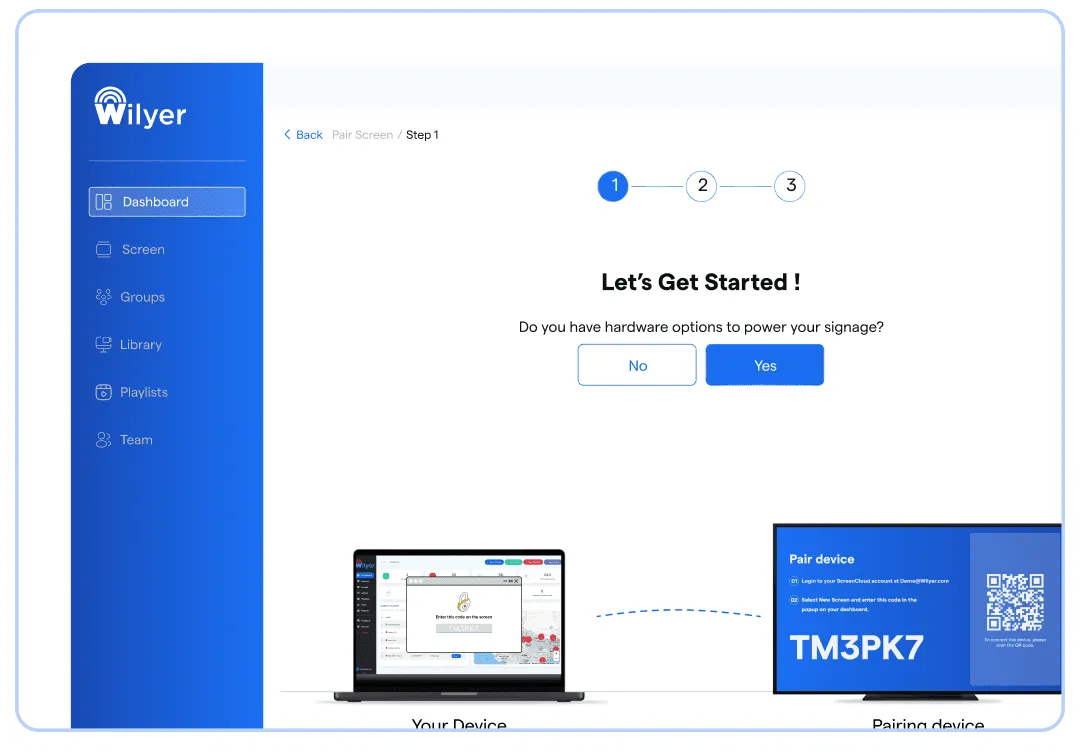
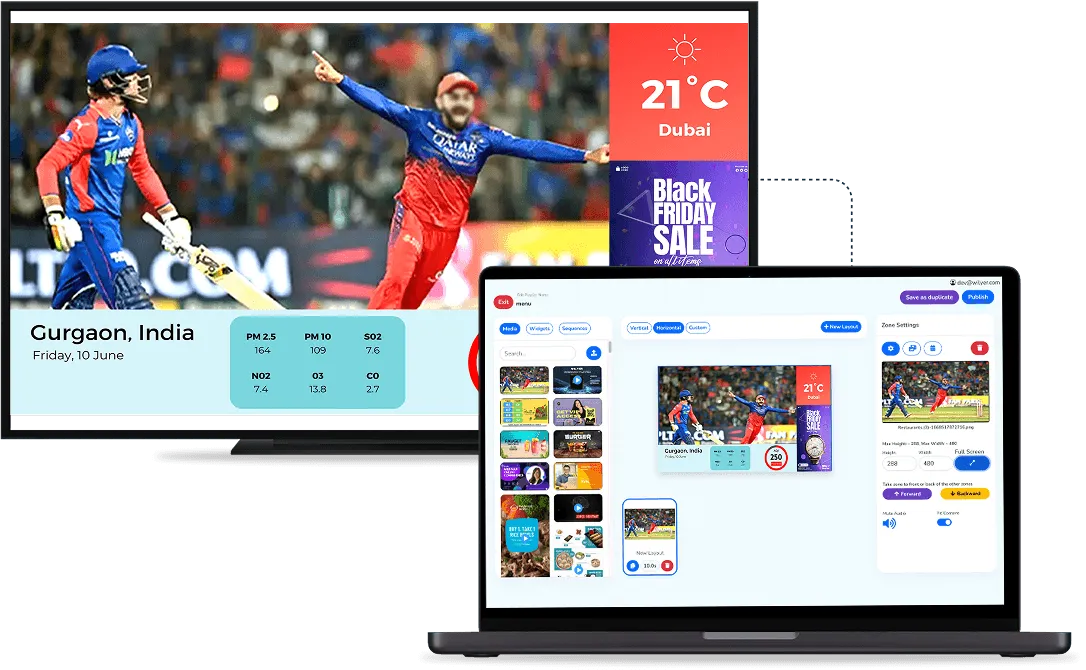
1. Managed signage, run remotely from one place
2. On-premise control and data security
3. Interactive and sensor-driven retail
4. Immersive and large-format displays
5. AI as an industry theme
6. Unified management across every screen type
7. Reliable playback and remote monitoring
8. Energy efficiency and sustainability
9. Networked AV and easier integration
How to evaluate a digital signage platform at the show
With so many options on the floor, a short checklist keeps you focused. When you stop at a signage booth, ask:
- Can you deploy and manage screens remotely from one dashboard? This is the single biggest time-saver at scale.
- Is there an on-premise option? Essential if your content or data has to stay inside your own network.
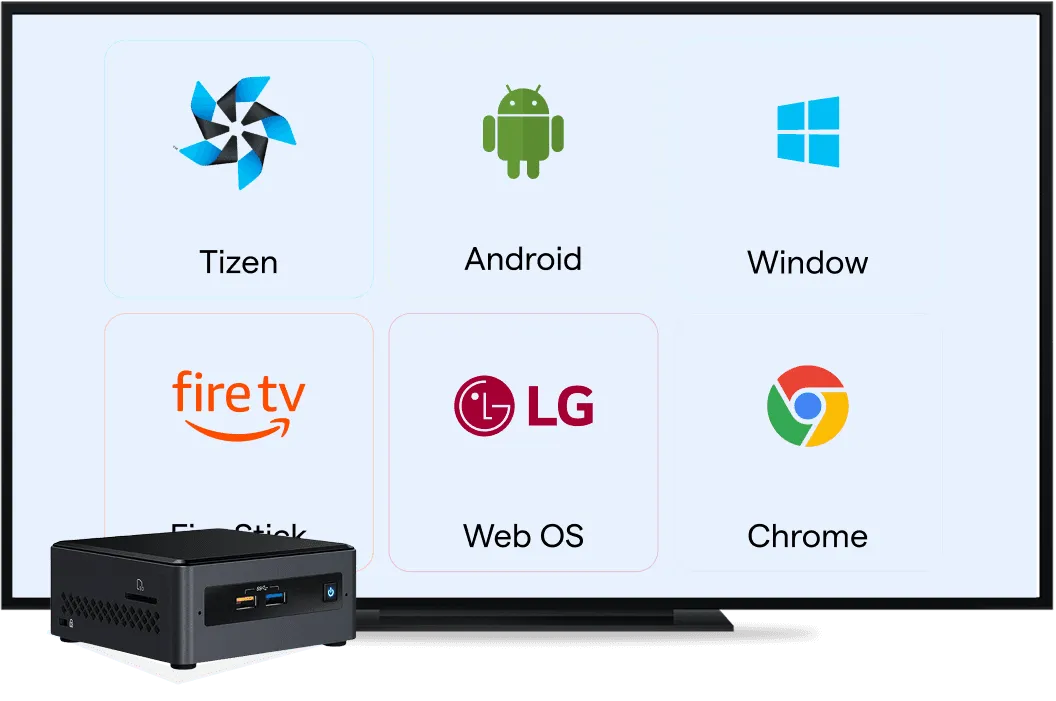
- What hardware does it run on? Flexible platforms run on everyday devices, so you avoid vendor lock-in.
- How reliable is playback? Ask about always-on playback and how the system recovers if a screen drops.
- What reporting do you get? Playback reports and device monitoring tell you what actually ran, and where.
- How many screen types can it handle? Menu boards, queues, meeting rooms and IPTV from one platform beats juggling separate systems.
What these trends mean for buyers in India
For Indian businesses, the practical thread through all of these trends is control without complexity. Whether you run a retail chain, a hospital, a bank or a transport hub, the winning setups are the ones that let a small team manage many screens remotely, keep sensitive content on-premise when needed, and run reliably on hardware that is easy to source and support. That is why managed, remote-first and on-premise signage tends to matter more day to day than the flashiest wall on the show floor. Use InfoComm India 2026 to see these approaches side by side and judge them against your own use case.
How these trends play out by sector
The same technology shows up differently depending on the business:
- Retail leans into interactive and sensor-driven displays to lift engagement at the shelf, plus remote menu and promotion updates across stores.
- Healthcare prioritises on-premise control and reliability, so patient and internal screens stay secure and always on.
- Banking and government put data security and cybersecurity first, favouring signage that keeps content inside their own network.
- Transport and travel depend on live data feeds and uptime for passenger and flight information.
- Corporate and education focus on conferencing, room booking and unified management across many rooms and campuses.
Seeing these side by side at InfoComm India helps you judge which trend actually matters for your own use case, rather than the one making the most noise on the floor. The right questions come from your own projects, not the loudest demo in the hall.
Frequently asked questions
What are the main digital signage trends at InfoComm India 2026?
Managed and remotely-run signage, on-premise control and data security, interactive and sensor-driven retail, immersive large-format displays, AI as an industry theme, unified management across every screen type, and reliable playback with remote monitoring.
When and where is InfoComm India 2026?
16 to 18 September 2026 at the Jio World Convention Centre, Bandra Kurla Complex, Mumbai.
Where can I see these signage trends in action?
At Wilyer's Booth TF33, with live demos of on-premise signage, lift-and-learn interactive retail and unified screen management.