An announcement only works if the person it is meant for understands it. In a waiting room where people speak different languages, a call in one fixed language quietly leaves part of the room out. They end up watching the screen nonstop or asking staff again and again, which is exactly what a token display system is meant to stop. For how tokens are issued and called in general, see what a queue management system is.
How Do Multilingual Token Announcements Work?
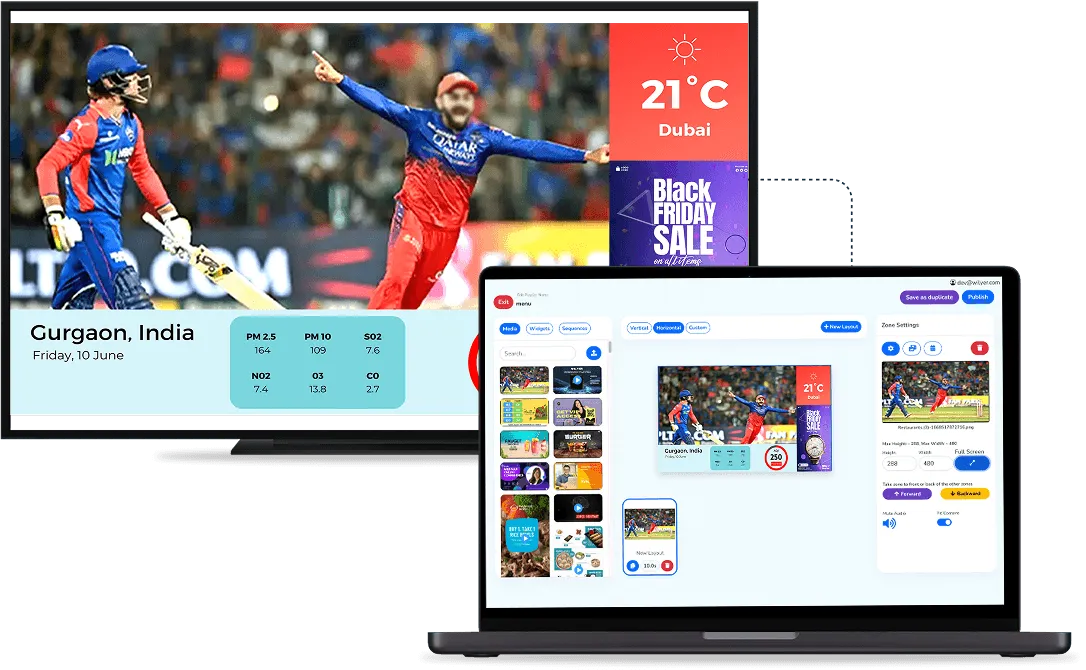
When a staff member or a doctor calls the next token, the number moves to "calling" on the screen, flashes, and is announced aloud along with the counter or room to go to. With multilingual voice announcements, that call is made in the language that fits the visitor rather than in one default language. The screen and the voice move together, so what people hear matches what they see.
Token numbers themselves need no translation, which is why the screen is the safety net. A visitor who misses the call, or does not follow the language it was made in, can still find their number on the board and walk to the right place.
Where Does a Multilingual Token Display System Help?
- Hospitals and clinics whose outpatient departments see patients from different language backgrounds
- Banks and government offices serving the public in regions where more than one language is in daily use
- Any waiting area where the crowd changes through the day
- Moments when a visitor is anxious, such as just before a consultation, and less likely to catch an unfamiliar phrase
In each case the aim is the same: the person being called should hear their number in words they follow the first time, without anyone having to repeat it.
What Should You Confirm Before Adding Languages?
- Which languages you need: list them from who actually walks through your doors, not from a regional assumption.
- How the language is chosen: ask how the language for each call is set, and how that fits your check-in at the kiosk, at the front desk and on phones.
- Room names: if the call names a room, that name should make sense in every language you use and match the sign on the door.
- Speaker coverage: a call in the right language still fails if it cannot be heard from the back of the room.

For a single-language site, this is a feature you may never switch on. For a hospital OPD or a public counter serving a mixed crowd, it decides whether the announcement helps everyone or only half the room. It is also worth hearing the voice yourself before you go live, in each language, in the real room, with the usual noise around you.
To hear the announcements in the languages your visitors speak, book a demo.